
Upcoming Global Elections to Influence Financial Markets
More than 50 countries will hold elections this year as voters address global issues like war and tariffs. Markets are monitoring key races across the United States and Europe.

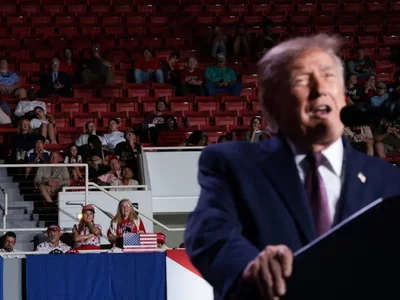
Voters in more than 50 countries are preparing to head to the polls this year, navigating a landscape defined by geopolitical conflict, trade tariffs, and economic instability. These elections offer a critical platform for citizens to voice their opinions on government handling of domestic and international crises, with several key races poised to impact global financial markets. In Northern Europe, Prime Minister Mette Frederiksen of Denmark is seeking to leverage public support following her firm stance against international pressure regarding Greenland. The upcoming parliamentary vote will serve as a significant indicator of local sentiment toward independence and the response to foreign strategic interests in the region. While the current coalition favors a gradual path to autonomy, the opposition Naleraq party advocates for a swifter separation. The political landscape in Hungary faces its most significant shift in over a decade as Prime Minister Viktor Orban contends with the rising popularity of the Tisza party. Orban has attempted to secure voter loyalty through tax cuts and wage increases, though his decision to block aid to Ukraine has strained relations with European partners. > Should Tisza prevail, we would expect EU fund inflows to resume swiftly, and the prospect of potential euro membership would likely lead to a notable appreciation of Hungarian assets, economists at The Goldman Sachs Group, Inc. wrote in a note. In the United Kingdom, local elections scheduled for May 7 are drawing unusual attention from international investors. Keir Starmer’s Labour government currently trails behind both the Reform UK and Green parties as it struggles to stimulate economic growth. The bond market remains highly sensitive to any signs of leadership instability, while the pound faces potential weakness. Emerging markets are also bracing for electoral shifts. Both Ethiopia and Zambia, which have previously defaulted on their debts, will hold elections this summer. While Zambia has seen progress in copper production and economic reform, Ethiopia has benefited from rising gold and coffee exports. However, regional tensions involving Iran could drive up energy and fertilizer costs, complicating the fiscal outlook. Ratings agency S&P Global Inc. says the election poses a risk to policy continuity, just as the governments fiscal consolidation efforts start to bear fruit. In South America, the presidential race in Colombia remains highly competitive following divided congressional results. Investors are closely monitoring the performance of center-right candidates like Paloma Valencia. > We are inclined to hold a constructive view, as political conditions still support a swing toward pro-market policies, Barclays PLC economist Alejandro Arreaza said in a note. Meanwhile, Peru is preparing for an April election where right-wing candidates currently lead. Although the country has experienced frequent leadership changes, its economic model has remained largely orthodox. Analysts at Bank of America Corporation have cautioned that a repeat of past electoral turmoil could lead to significant capital flight. In the Middle East, Israel is expected to hold parliamentary elections in October, which many view as a referendum on Prime Minister Benjamin Netanyahu. The ongoing conflict has introduced significant uncertainty, potentially impacting the shekel and government bonds. In Brazil, President Luiz Inacio Lula da Silva faces a tight October race against Flavio Bolsonaro. While inflation has moderated, economic growth has reached its lowest point since the pandemic. Markets are weighing the potential for a center-right government to focus on debt reduction and inflation control. Finally, the United States mid-term elections in November will determine control of Congress and serve as a major test for Donald Trump’s influence. Cost-of-living concerns remain the primary driver for voters, with the White House taking steps to address affordability issues such as credit card interest rates. > The big issue in the mid-terms will be affordability and people in the middle-class income range will be most affected by higher oil prices, said Peter Ricchiuti, professor of finance at Tulane University’s Freeman School of Business. Market analysts warn that the lead-up to the U.S. vote could trigger volatility for the dollar and global equity markets as investors react to the shifting political landscape.