
Vietnam warns of flight cuts amid jet fuel shortages
Vietnamese authorities warned of flight cuts from April after China and Thailand halted jet fuel exports. Officials are now seeking alternative energy supplies.

Vietnam is preparing for potential flight reductions starting in April as the nation faces a looming jet fuel shortage. This development follows decisions by China and Thailand to halt fuel exports due to the ongoing conflict involving Iran, which has disrupted regional energy supplies. Vietnam currently relies on imports for more than two-thirds of its aviation fuel, with 60% of those supplies traditionally sourced from its Chinese and Thai neighbors.
The Civil Aviation Authority of Vietnam (CAAV) has warned the Ministry of Transport that the industry must brace for impact. In a formal document, the regulator noted the following:
There are risks of jet fuel shortages for Vietnamese airlines from the beginning of April and the following months.
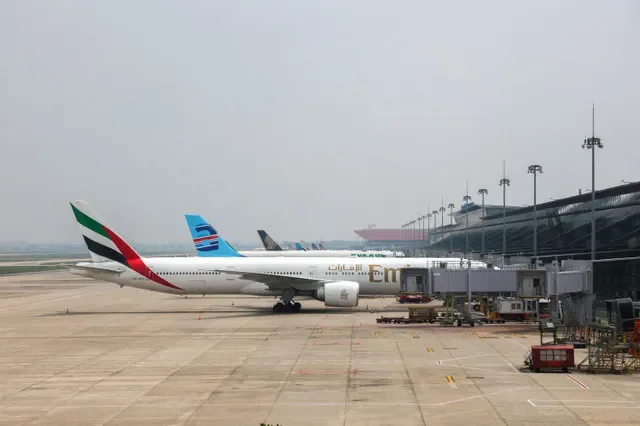
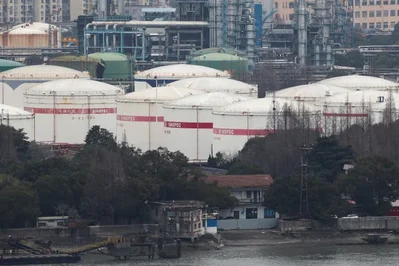
Airlines have been instructed to review their operational plans, particularly for domestic routes, while airport operators have been told to prepare additional parking space for grounded aircraft. Major fuel importers, including PETROLIMEX PETROCHEMICAL and Skypec, have indicated they can only guarantee supplies through the end of March. They warned that April contracts may not be fulfilled as suppliers pull back.
The supply crunch is being felt across the region. While Thailand banned fuel oil exports to most countries on March 6, it has maintained supply lines to Myanmar and Laos. Vietnam has also observed a reduction in available fuel volumes from Singapore.
Diplomatic efforts are intensifying to mitigate the crisis. Last year, Vietnam was the third-largest buyer of aviation kerosene from China, after Australia and Japan. Foreign Minister Le Hoai Trung recently met with Chinese officials in Hanoi to discuss energy security coordination. Additionally, Prime Minister Pham Minh Chinh has called on Thailand to help address the shortage during meetings with diplomatic representatives.
The situation is exacerbated by soaring costs, with jet fuel paper swaps in Singapore trading at approximately $157 per barrel—over 50% higher than pre-conflict levels. These prices are making many routes unprofitable. While VIETJET AVIATION JSC and Vietnam Airlines have declined to comment on the situation, smaller carriers like Sun PhuQuoc Airways are already planning to adjust schedules due to price volatility. Local refineries are also under pressure to produce other oil products, making it difficult for them to increase domestic jet fuel output to compensate for the import shortfall.