Vietnam projects lower oil output amid supply risks
Domestic crude output is forecast to drop as the Iran war disrupts imports from Kuwait. Officials are seeking new suppliers to mitigate rising fuel prices.

Vietnam is preparing for a decade of declining domestic crude oil production, a shift that is expected to deepen the nation's dependence on foreign energy markets. According to a government document released this week, the maturing of offshore fields and escalating geopolitical instability are primary drivers for the projected output drop. The situation is particularly acute as the United States and Israel remain embroiled in a conflict with Iran, a war that has triggered export bans and severely disrupted global supply chains.
Official forecasts suggest that crude output will fall to between 5.8 million and 8.0 million metric tons per year during the 2026–2030 period. This marks a significant decrease from the 8.6 million tons averaged annually over the last five years. To compensate for the shortfall, the country has already increased its imports, which grew by 5.3% to 14.2 million tons last year. However, securing these imports has become increasingly difficult. Approximately 80% of the crude imported last year originated from Kuwait, but those supplies are currently inaccessible due to the closure of the Strait of Hormuz by Iranian forces.
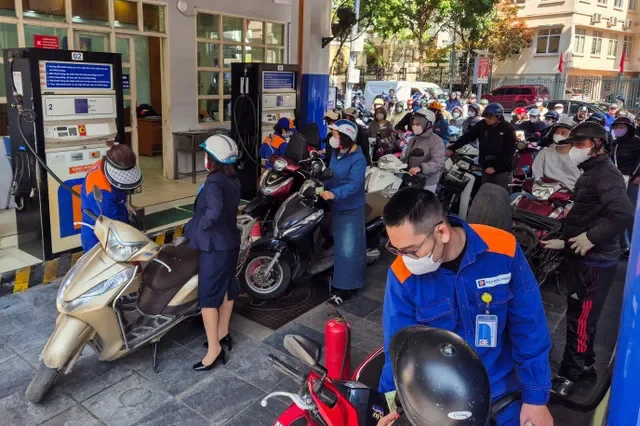
The energy crunch is being felt across all sectors of the economy, including the manufacturing operations of major multinationals like the Colgate-Palmolive Company, as rising fuel costs impact logistics. Retail prices for gasoline have jumped by roughly 30%, while diesel prices have climbed by 40% since the onset of the conflict. In response, authorities have encouraged citizens to work from home to reduce consumption. Furthermore, China and Thailand have halted jet fuel exports due to the war, leading to warnings of potential flight cancellations starting in April.
In an effort to diversify its supply, officials have reached out to several nations, including Japan, South Korea, and Angola, to secure alternative crude sources. Simultaneously, the government is looking inward to revitalize its energy sector through enhanced exploration and production.
Vietnam will seek to boost exploration activities, including by offering incentives to international oil companies to invest in its offshore fields.
The strategic plan aims to increase recoverable reserves by 13 million to 17 million tons of crude oil equivalent annually between 2026 and 2030. While the specific nature of the incentives for international firms has not yet been detailed, the move underscores the urgency of stabilizing domestic energy security in an increasingly volatile global environment.