Vietnam Infrastructure Drive to Boost Growth and Deficit
S&P Global Ratings expects Vietnam to lead regional growth through 2028. Large infrastructure investments will drive expansion but may increase fiscal deficits.

Vietnam is projected to remain one of Asia's most dynamic economies, trailing only India in growth through 2028. This expansion is driven by a combination of strong export performance and significant infrastructure investment, according to a recent assessment by S&P GLOBAL INC. While these investments are expected to fuel long-term prosperity, they may also lead to widened fiscal deficits and reduced current account surpluses.
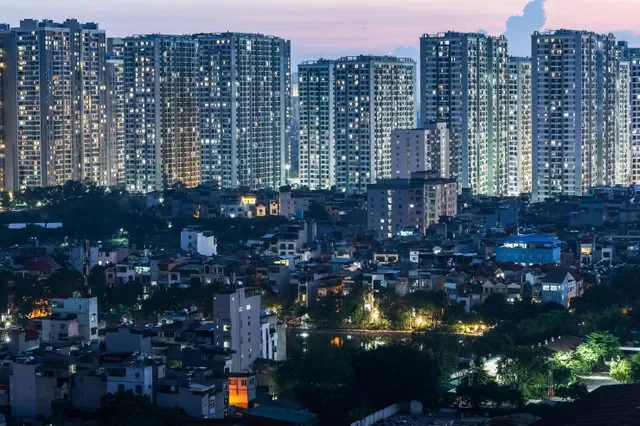
The government in Hanoi is actively working toward achieving an investment-grade sovereign credit rating by the end of the decade. To reach this goal, authorities are targeting annual economic growth of at least 10% through 2030, supported by the launch of hundreds of large-scale infrastructure projects initiated last year, which carry an estimated value of $200 billion.
Vietnam is expected to be Asias fastest-growing economy, excluding India, over the next three years with annual growth forecast at 6.7%, Tan said, citing S&P projections released last week.
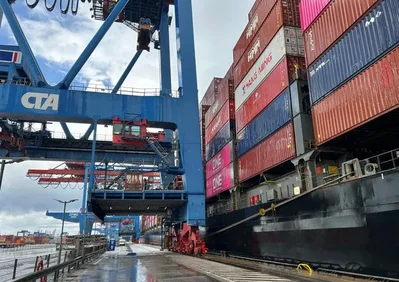
Kim Eng Tan, managing director for Asia sovereign ratings at S&P Global Ratings, noted that the country's growth is heavily supported by the rising global demand for electronic goods. Vietnam has established itself as a major exporter of technology products, which are assembled in facilities operated by foreign multinationals across the nation. Last year, the economy grew by 8%, a rate that was second only to Taiwan within the Asian region.
Despite the positive growth outlook, there are notable fiscal risks. MOODY'S CORP indicated in February that the current infrastructure push could result in a higher fiscal deficit and an increase in public debt. The finance ministry of Vietnam estimated that government debt stood at approximately 33% to 34% of GDP at the conclusion of 2025.
Such expenditure may lead to larger fiscal deficits and smaller current account surpluses that may offset some of its gains, Kim Eng Tan, managing director for Asia sovereign ratings at S&P Global Ratings, said at a conference in Hanoi.
In its most recent evaluation, S&P affirmed the country's BB+ long-term and B short-term sovereign credit ratings. The agency highlighted that downside risks include potential stress in the banking sector, which is currently categorized as high risk due to regulatory weaknesses and a lack of transparency. S&P also cautioned that ratings could be adjusted downward if the government's net debt consistently exceeds 30% of the gross domestic product.