Trade Court Weighs Legality of Trump 10 Percent Tariff
A U.S. trade court hears arguments today on the legality of a 10% global tariff. Several states and businesses claim the tax exceeds presidential authority.

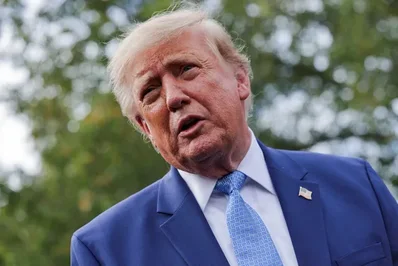
A trade court in the United States is set to consider the legality of a 10% global import tax imposed by the Trump administration. A group of 24 mostly Democratic-led states and two small businesses filed the lawsuit, arguing that the new tariffs sidestep a previous Supreme Court ruling that invalidated earlier trade measures. The duties, which went into effect on February 24, are being challenged in a New York-based court where a three-judge panel will hear oral arguments.
The administration invoked Section 122 of the Trade Act of 1974 to implement the tax, a move that officials claim is necessary to address a significant trade deficit. This specific legal provision allows for the imposition of duties up to 15% during times of serious balance-of-payments deficits or to prevent an imminent depreciation of the national currency.
The Trump administration has stated that global tariffs are a legal and appropriate response to a persistent trade deficit caused by the fact that the United States imports more goods than it exports.
Plaintiffs in the case argue that the authority granted by the Trade Act is intended strictly for short-term monetary emergencies rather than routine trade imbalances. They maintain that the current economic conditions do not meet the legal definition of a balance-of-payments crisis. This legal challenge follows a recent Supreme Court decision that struck down a broad swath of tariffs previously imposed under the International Emergency Economic Powers Act.
While this lawsuit targets the 10% global tax, it does not affect existing tariffs on specific commodities such as Copper. Furthermore, industrial players like KAISER ALUMINUM CORP continue to operate under a shifting trade landscape that includes separate duties on steel and aluminum. Market analysts are also watching how these policies impact the valuation of the dollar against other currencies, including the USD/JPY exchange rate, as the administration seeks to prevent currency depreciation.
The outcome of the hearing at the U.S. Court of International Trade will determine whether the executive branch can continue to use Section 122 as a tool for broad trade intervention without direct congressional approval.