
US Producer Prices Rise by 0.7 Percent During February
US producer prices rose 0.7 percent in February as costs for services and goods climbed. The conflict with Iran is expected to drive further price increases.

Producer prices in the United States increased by the most in seven months during February, driven by higher costs for services and a range of goods. This surge suggests that inflation could accelerate further as the conflict between Israel and Iran continues to impact global energy markets. The Producer Price Index (PPI) report from the Labor Department indicated that key inflation measures tracked by the Federal Reserve posted solid gains, likely influencing the central bank's upcoming economic projections.
The PPI for final demand jumped 0.7% last month, following a 0.5% increase in January. This figure exceeded the 0.3% gain forecast by economists. Over the 12 months through February, the PPI rose 3.4%, the largest annual advance in a year. Services accounted for more than half of the monthly increase, rising 0.5%, with hotel and motel wholesale prices jumping 5.7%.
The ongoing war in the Middle East has already sent oil prices up by more than 40%, and economists expect this inflationary pressure to appear in subsequent consumer and producer price reports. Thomas Ryan, North America economist at Capital Economics, noted the implications for monetary policy.
There is nothing in the price data that suggests the Fed would be in a position to cut again soon even if oil prices suddenly dropped back.
Trade services, which track margins for wholesalers and retailers, rose 0.4%, indicating that businesses are passing through costs associated with global tariffs. While the U.S. Supreme Court previously struck down certain import duties, the administration responded with a 10% global tariff, which could rise to 15%. Stephen Stanley, chief U.S. economist at Santander U.S. Capital Markets, highlighted the broader concerns for the Federal Reserve.
All of this suggests that the Feds inflation worries extend beyond weathering a fleeting wave of one-off price hikes associated with tariffs and, more recently, an energy price spike.
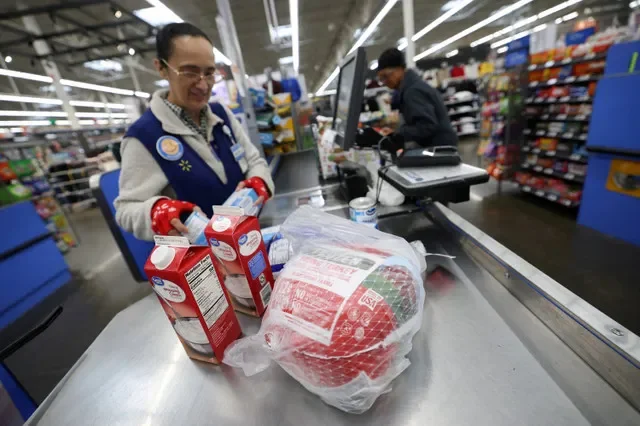
The report also showed a 1.1% increase in producer goods prices, the largest rise since August 2023. Food prices climbed 2.4%, led by a nearly 50% increase in the cost of vegetables and a 93.6% rebound in egg prices. Wholesale energy prices rose 2.3%, with diesel fuel surging 13.9%. In the core goods category, electronic components and accessories saw a 10.3% surge, reflecting high demand in the artificial intelligence sector.
Estimates for the Personal Consumption Expenditures (PCE) price index, the Fed's primary inflation target, suggest a 0.4% increase in February. This would mark the third consecutive month of such gains, a pace significantly higher than what is required to return inflation to the 2% target. Abiel Reinhart, an economist at JPMorgan Chase & Co., suggested that these figures would support a cautious approach by the Federal Open Market Committee.
Sticky core PCE inflation will reinforce concerns for a portion of the FOMC that rates should remain on hold for some time.
In the financial markets, stocks on Wall Street traded lower following the news, while the dollar strengthened against major currencies and U.S. Treasury yields moved higher.