US Crude Rises to Highest Level Since 2022 Over Iran
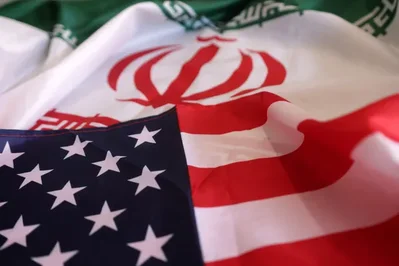
Oil prices settled mixed on Tuesday as US crude reached its highest level since 2022. President Trump issued a deadline for Iran to open the Strait of Hormuz.

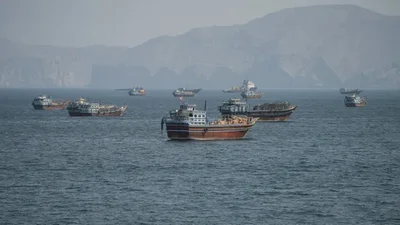
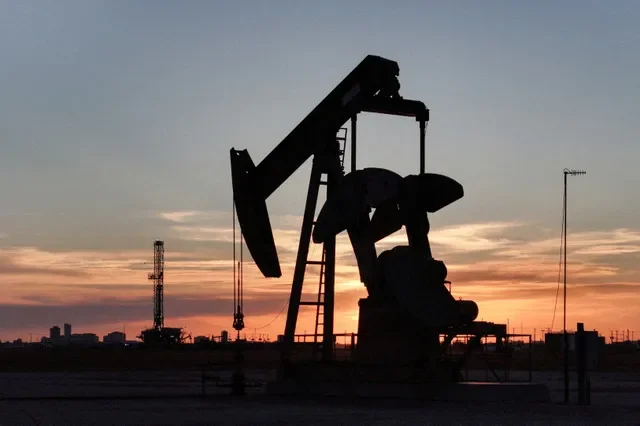
Global oil markets showed divergent trends on Tuesday as the industry balanced fears of economic stagnation against the threat of a major supply disruption in the Middle East. Brent Crude Oil futures settled lower by 50 cents, or 0.5%, at $109.27 per barrel, reflecting anxieties that high energy costs might stifle global growth. In contrast, WT WTI CRUDE OIL gained 54 cents, or 0.5%, to close at $112.95, its highest level since June 2022. This price action comes as the United States nears a self-imposed deadline for Iran to end its blockade of the Strait of Hormuz, a conduit for nearly one-fifth of the world's oil and Natural Gas supplies.
The current market structure indicates acute tightness in immediate supply, with front-month contracts trading at a significant premium over later deliveries. Analysts suggest that the market is increasingly pricing in a prolonged conflict rather than a swift diplomatic resolution. As the military situation escalates, refiners in Europe and Asia are reportedly paying physical premiums that push the cost of some crude grades near $150 a barrel, far exceeding the levels seen in futures markets.
Geopolitical tensions reached a fever pitch as the deadline approached. Iranian media reported intensified strikes on domestic infrastructure, including bridges, power plants, and the primary oil export terminal on Kharg Island. Diplomatic channels appear increasingly blocked; sources in Pakistan indicated that negotiations were derailed following previous strikes on energy facilities in Saudi Arabia. While nations like Oman have maintained export volumes, the broader region faces a severe energy crisis.
International financial leaders have expressed grave concerns over the potential for a global slowdown. World Bank President Ajay Banga warned that the conflict would inevitably impact the global economy through a combination of reduced growth and persistent inflation. Chicago Federal Reserve Bank President Austan Goolsbee echoed these sentiments, highlighting the difficulty for central banks to navigate such a supply-side shock.
The Iran war would result in some degree of slower growth in the global economy and higher inflation, regardless of how quickly it ended.
I was worried the war would drive inflation higher while also slowing the economy, putting the Fed in a situation where there is no obvious cookbook for what to do.
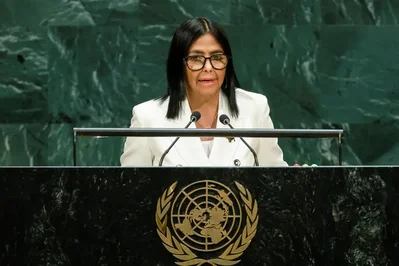
Efforts to secure international cooperation at the United Nations have faced hurdles, as China and Russia vetoed a resolution aimed at protecting commercial shipping in the Strait of Hormuz. This lack of consensus comes as shipping data shows a decline in exports from key ports, such as Yanbu, where volumes fell by approximately 15% over the past week. Traders are now looking toward upcoming inventory data from the American Petroleum Institute and the Energy Information Administration to gauge the domestic supply situation in the coming days.