Ukraine targets Russian oil exports as sanctions ease
Zelenskiy says Ukraine uses long-range strikes to pressure Russia after US oil sanctions eased. The attacks have halted 40 percent of Russian export capacity.

Ukraine has intensified long-range strikes against Russia's energy infrastructure to maintain economic pressure following a recent easing of international sanctions. President Volodymyr Zelenskiy stated that these operations are necessary as global diplomatic pressure on Moscow appears to be waning.

The strategic shift comes after the United States issued a 30-day waiver allowing the purchase of certain Russian petroleum products. This move was intended to stabilize global energy markets, which have been volatile since the outbreak of the Iran war. However, the decision has faced criticism from European allies who favor maintaining strict economic isolation of the Kremlin.
"The pressure on Russia in the world is decreasing. Therefore, unlike most countries in the world, Ukraine has its own sanctions: its long-range capabilities."
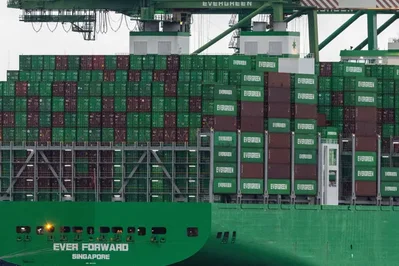
Recent drone attacks have targeted major export hubs, including the Baltic ports of Ust-Luga and Primorsk. Smoke from the resulting fires was reportedly visible from Finland. According to market data, approximately 40% of the export capacity of the world's second-largest oil exporter has been halted due to these strikes and related logistics disruptions.
Industrial analysts, including those tracking the maintenance of heavy energy infrastructure like Oiles Corporation, are monitoring the long-term viability of these facilities. While previous strikes focused on domestic refineries, the current campaign targets export terminals to directly impact government revenues.
"If Ukraine does not respond to their attacks, Russia will simply continue the war and not even think about pauses."
On Wednesday, operations at Ust-Luga and Primorsk were suspended following drone-initiated blazes. While some loading resumed at lower capacities, the damage to infrastructure remains a significant hurdle for Transneft, the state-owned pipeline monopoly. With oil prices exceeding $100 a barrel, the disruption represents the most severe supply shock in the nation's modern history.