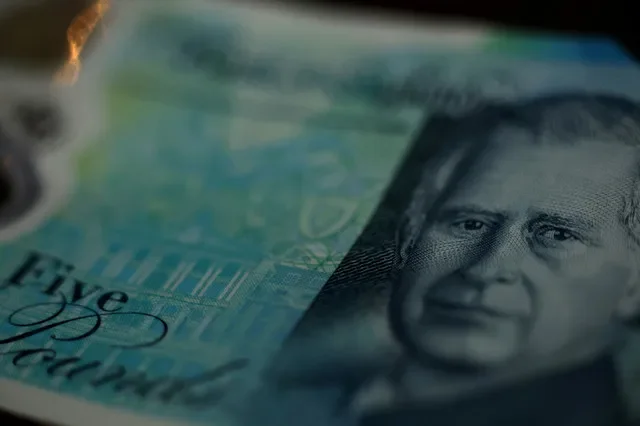
The GBP/USD exchange rate dropped 0.8% to $1.331, marking its steepest one-day decline in over a month. Simultaneously, British gilts significantly underperformed compared to sovereign debt from France, Germany, and the United States. The yield on two-year gilts climbed by as much as 37 basis points to reach 4.239%, representing the most volatile trading session since the fiscal instability seen in late 2022.
Investors have rapidly adjusted their outlook for the Bank of England, completely pricing out previously expected interest rate cuts for the remainder of the year. Instead, markets now indicate a roughly two-thirds probability of a quarter-point rate hike by December. This shift comes as Group of Seven finance ministers prepare to discuss the potential release of emergency oil reserves to stabilize global markets.
Prime Minister Keir Starmer recently emphasized that supporting working households remains a top priority, leading to speculation about new government interventions to mitigate rising energy bills. However, analysts warn that such measures could further strain the national budget. Lloyds Banking Group plc noted that a 2.5 percentage-point increase in inflation could eliminate the government's current 23.6 billion-pound fiscal headroom.
\"For the long end, the problem now is how much this will cost governments with energy support packages being floated as ideas,\" said Jordan Rochester, head of fixed-income strategy EMEA at Mizuho Bank.
Credit-ratings agency Fitch recently highlighted that Britain is among several European nations with substantial budget deficits that may find it difficult to fund additional energy subsidies without damaging fiscal stability.