UBS vows to fight proposed Swiss capital requirements
Chairman Colm Kelleher says proposed Swiss capital rules threaten the bank's business model. UBS will defend its position as officials consider new requirements.

The leadership of UBS GROUP AG-REG has issued a stern warning regarding proposed regulatory changes in Switzerland, arguing that increased capital requirements could jeopardize the bank's current business model. Chairman Colm Kelleher addressed shareholders at the annual general meeting in Basel, noting that the government's push for stricter rules following the 2023 collapse of Credit Suisse has created significant market pressure.
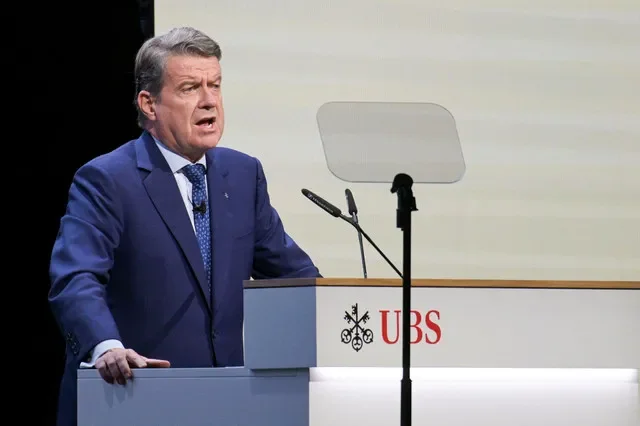
The proposed regulations could require the bank to hold an additional $22 billion in capital. While Kelleher emphasized the bank's commitment to its home country, he indicated that extreme proposals might force difficult decisions regarding the firm's structure.
"We are as much an integral part of Switzerland as our Swiss heritage is part of us ... We want to remain headquartered in Switzerland," Kelleher said.
Despite the regulatory uncertainty, the chairman ruled out a reduction in the bank's size, instead highlighting growth targets in Asia and the United States. He stated that the board is obligated to evaluate measures to mitigate the negative effects of the proposed capital hikes if they are confirmed.
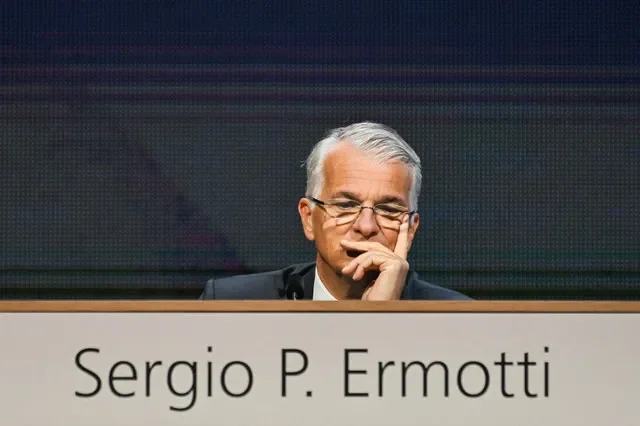
Chief Executive Officer Sergio Ermotti echoed these sentiments, describing the current period as the most decisive phase for the future of Swiss banking regulation. He committed to a vigorous defense of the bank's position as the Federal Council prepares to clarify its stance later this month.
"We will fight until the last minute," Ermotti said.
The bank's position faces opposition from the Ethos Foundation, which represents several pension funds. CEO Vincent Kaufmann argued that stricter capital requirements are necessary to protect the broader financial system and the public.
"We must not allow a system where executives are rewarded while the risk is borne by the financial system and taxpayers," Kaufmann said.
Beyond the capital debate, the meeting touched on the ongoing integration of Credit Suisse. Kelleher noted that share buybacks remain contingent on the final regulatory framework but praised Ermotti for his leadership during the merger. Reports suggest Ermotti may remain in his role until 2027 to oversee the final stages of the transition.
The bank also faced scrutiny over its environmental record, with protesters gathering outside the venue to demand an end to fossil fuel financing. While Kelleher maintained that the bank is committed to a low-carbon transition, critics called for greater transparency regarding lending to renewable versus fossil fuel industries.
In the formal proceedings, Kelleher was re-elected as chairman with over 88% of the vote. The board also welcomed Markus Ronner as the new vice-chairman, alongside new members Luca Maestri and Augustin Carstens.