
States sue to block Trump's new 10 percent global tariffs
Twenty-four states sued the Trump administration Thursday to block new 10 percent global tariffs. They argue the duties bypass a recent Supreme Court ruling.

A coalition of 24 states in the United States has filed a lawsuit against the administration of President Donald Trump, challenging the legality of recently imposed 10% global tariffs. The legal action, initiated in the New York-based U.S. Court of International Trade, marks the first major challenge to the trade policy since its announcement on February 20. The Democratic-led states, including New York, California, and Oregon, contend that the administration is attempting to bypass a recent U.S. Supreme Court ruling that invalidated previous tariffs.
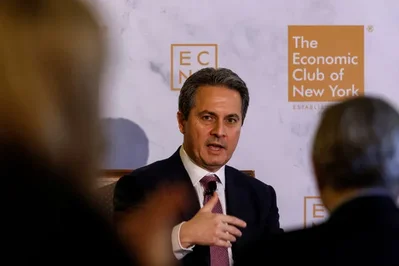
The states argue that the new duties, enacted under Section 122 of the Trade Act of 1974, are being misapplied to address routine trade deficits rather than the short-term monetary emergencies the law was designed for. Oregon Attorney General Dan Rayfield criticized the move during a press conference, stating that the policy circumvents constitutional requirements for congressional involvement.
"Make no mistake about it, President Trumps signature economic policy is historically unpopular and is costing Americans, our business, and us as states hundreds of billions of dollars," Rayfield said.
White House spokesperson Kush Desai countered the legal challenge, asserting that the administration is acting within the authority granted by Congress to manage significant balance-of-payments deficits.
"The President is using his authority granted by Congress to address fundamental international payments problems and to deal with our country’s large and serious balance-of-payments deficits," Desai said.
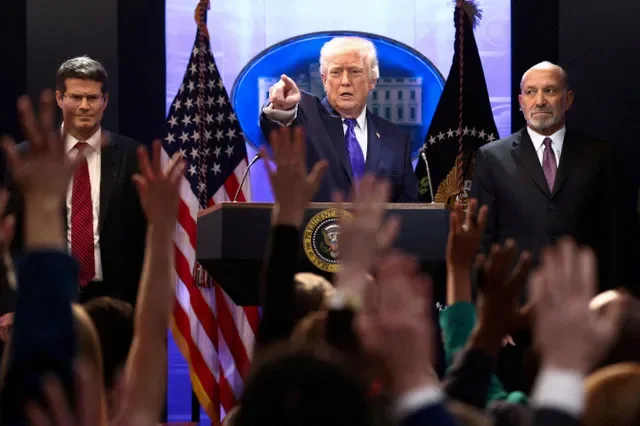
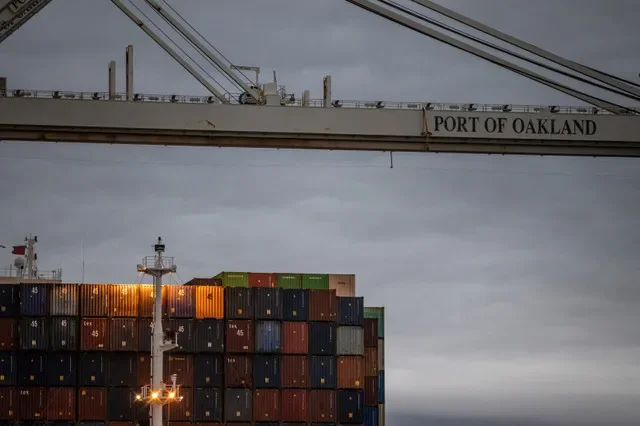
The legal battle follows a stinging defeat for the administration at the Supreme Court, which ruled that the International Emergency Economic Powers Act did not grant the president the sweeping power he claimed for previous tariffs. In response, Trump invoked Section 122, which allows for duties of up to 15% for a period of 150 days without initial congressional approval. U.S. Treasury Secretary Scott Bessent indicated that the current 10% rate could increase to 15% as early as this week.
The broad application of these tariffs has significant implications for industrial sectors and global markets. Companies such as Steel Dynamics, Inc. and Kaiser Aluminum Corporation are closely monitoring the developments, as the administration has also maintained separate duties on steel and aluminum imports. The resulting economic uncertainty has influenced major currency pairs, including the USD/JPY and EUR/USD, while global energy markets continue to track the price of Brent Crude Oil amid shifting trade dynamics.
The states involved in the lawsuit, which include Pennsylvania and Kentucky, are seeking a court order to block the new tariffs and secure refunds for any payments already collected under the Section 122 authority. This case adds to the existing backlog of approximately 2,000 lawsuits from businesses seeking over $130 billion in refunds for previous tariff payments. On Wednesday, the court ordered U.S. Customs to begin processing those refunds.