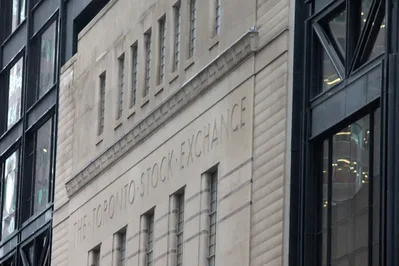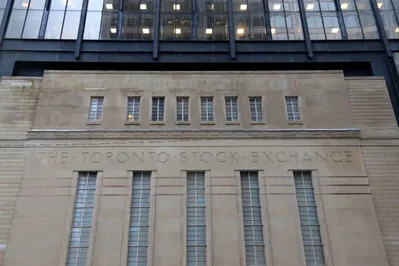

TSX records worst day in two weeks on inflation warnings
The TSX fell 1.87 percent as central banks warned of inflation risks from the Middle East conflict. Materials shares led the decline as metal prices dropped.

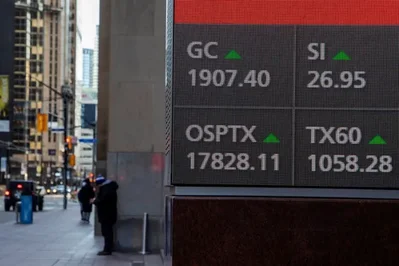
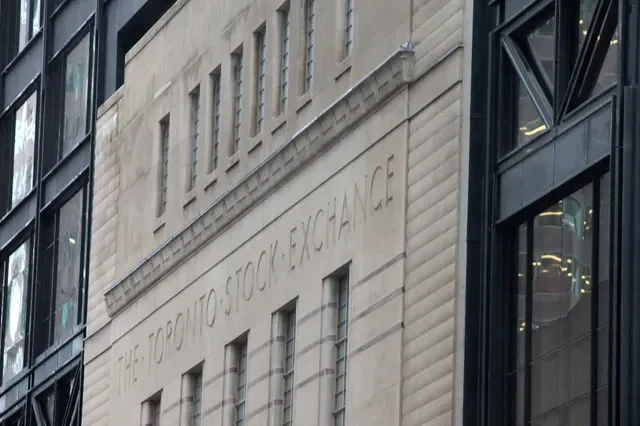
The main stock index in Canada experienced a significant downturn on Wednesday, marking its sharpest single-day decline in two weeks. The S&P/TSX Composite Index dropped 1.87% to close at 32,312.67 points as investors reacted to cautious signals from major central banks and escalating geopolitical tensions in the Middle East.
Market sentiment was weighed down by interest rate decisions and hawkish commentary from both the Bank of Canada and the United States Federal Reserve. While both institutions opted to maintain current interest rates, they issued warnings regarding persistent inflation. These concerns are being amplified by the ongoing conflict between Israel and Iran, which has triggered volatility in global energy markets.
Bank of Canada Governor Tiff Macklem indicated that the central bank remains prepared to implement further rate hikes if rising energy costs begin to broaden into long-term inflationary pressure. Simultaneously, the U.S. Federal Reserve projected higher inflation and steady unemployment for the year, suggesting that only one interest rate reduction might occur in 2026.
Angelo Kourkafas, senior global investment strategist at Edward Jones, noted the conflicting signals influencing the market.
"There is some relief that the Fed is still thinking about cutting and the Bank of Canada is not thinking about hiking (yet), but oil prices and the duration of the conflict will ultimately drive the narrative."
He further added that the cautious stance of the central banks is creating a climate of apprehension.
"The uncertainty the Bank of Canada and the Fed are saying is worrying the markets."
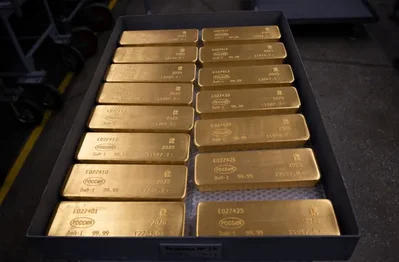
The materials sector, which includes major mining operations, saw a steep decline of 5.6% as precious metal prices retreated. Spot gold and silver both fell more than 3% following the Federal Reserve's announcement. Conversely, energy shares managed a modest gain of 0.8% after reports of attacks on Iranian energy facilities in South Pars and Asaluyeh pushed crude prices higher.
Corporate earnings also contributed to the downward pressure on the index. Boyd Group Services Inc. saw its shares plunge 13.2% after the collision repair operator failed to meet fourth-quarter earnings expectations. Similarly, Alimentation Couche-Tard Inc. reported third-quarter revenues that fell short of analyst estimates, resulting in a 5.1% drop in its stock price and dragging the consumer staples sector down by 2.2%.