
Trump Moves to Influence Federal Reserve Bank Supervision
The Trump administration is seeking more influence over the Federal Reserve's bank oversight. Efforts include personnel shifts and closer Treasury coordination.

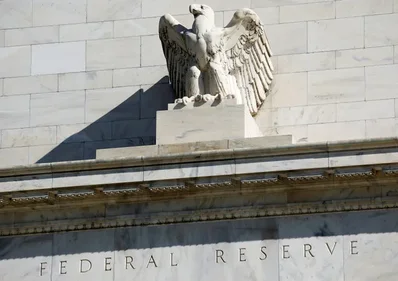
The Trump administration is intensifying its efforts to influence the Federal Reserve’s oversight of the banking sector, moving beyond public demands for interest rate cuts to target the central bank’s regulatory and supervisory functions. This push aims to roll back post-2008 financial crisis regulations that officials argue have hindered economic growth in the United States. According to interviews with current and former officials, the administration is seeking a larger role in the Fed’s rule-writing processes, potentially exposing the institution to greater ideological and industry pressures. A central point of contention involves a White House executive order requiring independent regulators to submit new rules for review by the Office of Management and Budget. While the Fed has historically maintained a degree of autonomy in its rulemaking, some officials have expressed concern that complying with such orders could erode the central bank’s ability to safeguard the financial system. Former Fed general counsel Scott Alvarez highlighted the risks associated with political interference in banking oversight. > Banking supervision is better if its done by an independent agency. The Department of the Treasury has also taken a more active role in steering the regulatory agenda. Treasury Secretary Scott Bessent has indicated that the department will prioritize economic growth and push regulators to resolve policy inertia. This increased involvement has occasionally led to friction, such as when Fed officials reportedly resisted Treasury pressure to fast-track proposals defining unsafe banking practices. > The department will break through policy inertia, settle turf battles, drive consensus, and motivate action to ensure no single regulator holds up reform. Within the Fed, Governor Michelle Bowman has led significant personnel and policy shifts. These include the hiring of industry veterans like Randall Guynn, a former partner at Davis Polk, to lead the division of supervision and regulation. At the same time, the Fed has moved to scrap climate change risk initiatives and reduce its focus on reputational risk policing. These changes impact a wide range of financial institutions, from global giants to regional lenders like Bank OZK, as the regulatory environment shifts toward a more industry-aligned approach. The future of this independence may hinge on leadership changes, with potential candidates like Kevin Warsh suggesting that regulatory policy should not be entirely independent of the executive branch. While Fed Chair Jerome Powell has emphasized that the bank aligns with executive orders when consistent with the law, the ongoing internal restructuring suggests a fundamental shift in how the institution operates. > Fed independence is of utmost importance, but along with that independence comes the responsibility for accountability and transparency.