Pound ends rally as IMF lowers UK growth outlook to 0.8%
The pound steadied Wednesday as the IMF lowered UK growth forecasts to 0.8 percent. Energy costs and war risks continue to weigh on the economic outlook.

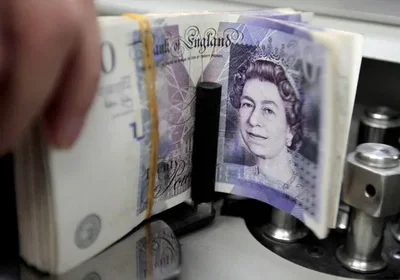
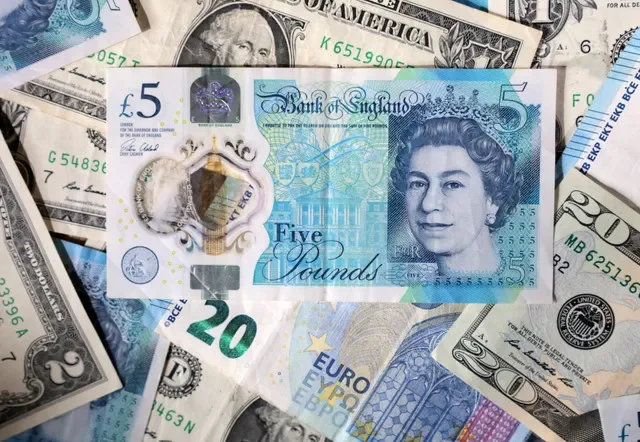
The British pound stabilized on Wednesday, pausing its longest winning streak in a year as investor sentiment shifted. The GBP/USD pair remained steady at $1.357 after a rally that saw the currency gain nearly 3% since late March. This pause comes as the safe-haven U.S. dollar hit six-week lows following growing optimism for a potential resolution to the conflict in Iran.
Despite the recent gains, analysts warn that the economic outlook for the United Kingdom remains fragile. The International Monetary Fund recently issued a significant downgrade for the nation's growth, projecting the economy to expand by just 0.8% in 2026, down from the previous 1.3% estimate. This revision represents the sharpest cut among Group of Seven nations, largely attributed to the ongoing geopolitical tensions.
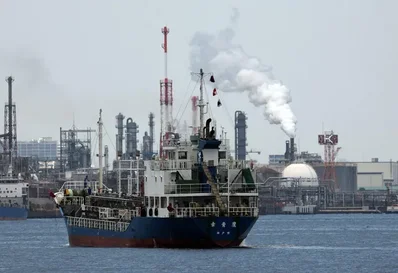
Energy costs have played a central role in the economic strain, with the price of Natural Gas surging 40% since the start of the war. Investors are also closely monitoring the potential for supply disruptions affecting Brent Crude Oil flows through the Strait of Hormuz. These pressures have pushed British government borrowing costs higher, with two-year bond yields rising 70 basis points since February to reach 4.2%.
In the currency markets, the EUR/GBP pair was flat at 86.94 pence. While the euro has seen a nearly 1% loss against the pound since the conflict began, some analysts believe interest rate differentials will soon become the primary driver again. ING strategist Francesco Pesole noted that the current market dynamics might provide long-term support for the euro against sterling.
\"All in all, the latest developments keep us confident with our call that front-end rates have further to fall in the UK than the euro zone and that should offer lasting support to euro/sterling beyond the near-term,\"
Bank of England policymaker Megan Greene highlighted the difficulty in navigating these inflationary pressures. She suggested that the central bank might need to act before all definitive data is available to prevent long-term damage from the energy price spike.
\"We can't wait to have all the definitive data showing that there are second-round effects because then we will be too late already, so it will have to be a judgment call,\""}```