The survey included 300 corporate clients from both emerging and developed markets, finding that many expect yuan-denominated financing to grow. Roughly 25% of clients who already have yuan exposure stated they plan to increase their onshore or offshore financing in the currency over the next three years. Overall, 31% of all surveyed firms expect their yuan financing to either stay steady or increase.
Standard Chartered noted that the current market dynamics suggest the currency is not being used to its full potential for corporate funding.
Across sectors, RMB revenue exposure through sales, procurement and supply-chain activity exceeds RMB debt exposure.
This imbalance points to a structural underutilisation of RMB financing.
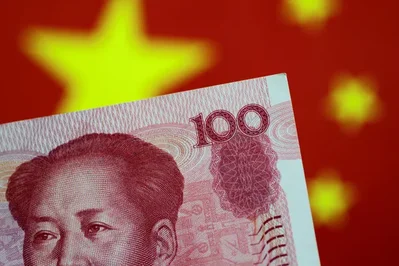
While China has spent years promoting the yuan for global trade and finance, it still represents a small fraction of the global market. According to SWIFT, the yuan holds a 3% share of global payments, significantly lower than the 50% share held by the U.S. dollar. However, yuan-denominated debt markets are seeing rapid growth from their initial low levels.
Regional adoption of the currency varies based on economic activity. In Southeast Asia, the yuan's use is primarily driven by supply chain integration. In the Middle East and parts of Africa, the currency is more frequently utilized for energy trade and large-scale infrastructure projects.