Sri Lanka expands fuel rationing as supply squeeze deepens
Sri Lanka introduced a license plate system for fuel and closed schools to conserve supplies. New tenders were issued for 73,000 tons of fuel due by April.

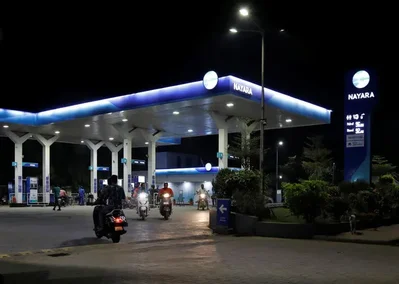
Sri Lanka has implemented stricter fuel rationing measures to address a worsening supply crisis linked to geopolitical tensions involving the United States, Israel, and Iran. The government has introduced a new system to manage queues at pumping stations while securing additional oil shipments to stabilize the energy sector.
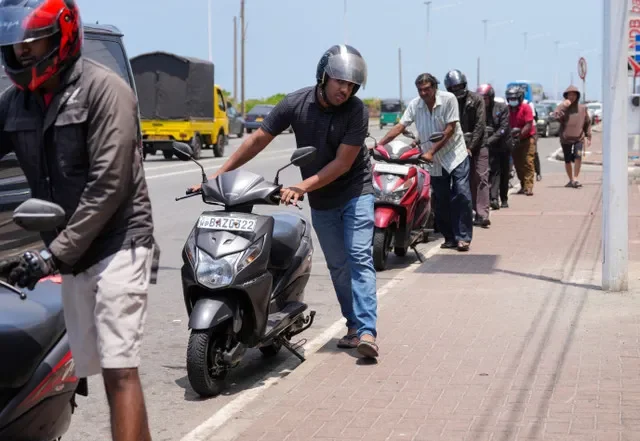
To curb consumption, authorities have declared every Wednesday a public holiday, leading to the closure of schools, universities, and administrative offices nationwide. While essential services and hospitals remain operational, public transport services, including trains and buses, have been significantly reduced to preserve fuel reserves. Starting this week, fuel distribution will be governed by vehicle license plate numbers. Ceylon Petroleum Corporation (CPC) Chairman S. Rajakaruna stated that the move is designed to streamline the refueling process.
If the last number on the license plate is an odd number and the date is also an odd number then you will be issued fuel.
We are doing this to halve the lines at stations.
Sri Lanka is still navigating the aftermath of the 2022 financial crisis, which was characterized by a critical shortage of foreign currency. The country's fuel import bill reached approximately $4 billion last year, a period during which the economy recorded a 5% growth rate. To mitigate the current shortage, the CPC has issued tenders for the delivery of 36,000 metric tons of petrol and 37,000 metric tons of diesel scheduled for early April. In addition to refined products, the government is seeking 95,000 metric tons of crude oil to maintain operations at its only refinery. President Anura Kumara Dissanayake announced that the Cabinet has authorized emergency spot purchases to bridge a supply gap of more than 90,000 metric tons of crude oil.