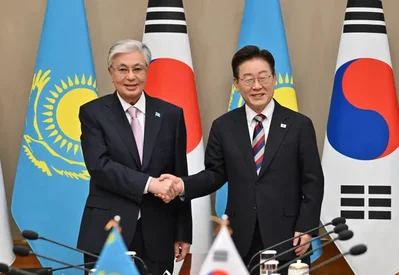
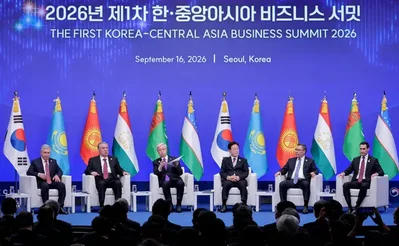
Industry Minister Kim Jung-kwan confirmed the developments following a high-level diplomatic mission that included stops in Oman and Saudi Arabia. The delegation, which included presidential chief of staff Kang Hoon-sik, sought to stabilize the procurement of crude oil and naphtha amid significant disruptions to shipping through the Strait of Hormuz.
While Central Asia is geographically distant, Kim noted that transit times are comparable to imports from the United States.
Kazakhstan might sound very far, but it actually takes about the same time with shipments from the U.S.
Logistics for these shipments typically span 50 to 60 days. This diversification effort is vital for the Korean economy, which is almost entirely dependent on energy imports. Currently, 70% of the country's oil is sourced from the Middle East, including supplies from major entities like SAUDI ARABIAN OIL CO.
In addition to the progress with Kazakhstan, the government recently secured a pledge from the United Arab Emirates for 24 million barrels of crude. These efforts are intended to mitigate the impact of price fluctuations in global benchmarks such as Brent Crude Oil and West Texas Oil.