
South Korea Considers Emergency Fiscal Orders for Energy
President Lee Jae Myung may use emergency fiscal orders to manage energy risks from the war in Iran. The government plans an extra budget to cushion the blow.

South Korea is preparing to intensify its response to energy supply disruptions resulting from the ongoing conflict in Iran. President Lee Jae Myung announced on Tuesday that the government may implement emergency fiscal measures to stabilize the domestic economy. Lee emphasized that while the global crisis presents significant challenges, it also offers a strategic opportunity for the nation to accelerate its transition toward a more sustainable energy policy, particularly by increasing the use of renewable resources.
"Given our high external dependence and the large share of imports for energy, we need an ever more thorough and fine-tuned energy response."

During a cabinet meeting, the President highlighted the constitutional authority of the government to issue emergency fiscal orders during times of crisis. He urged officials to maintain daily monitoring and develop preemptive policy responses to mitigate the impact of the Middle Eastern instability.
"I want to stress we need to respond swiftly and boldly to the maximum degree."
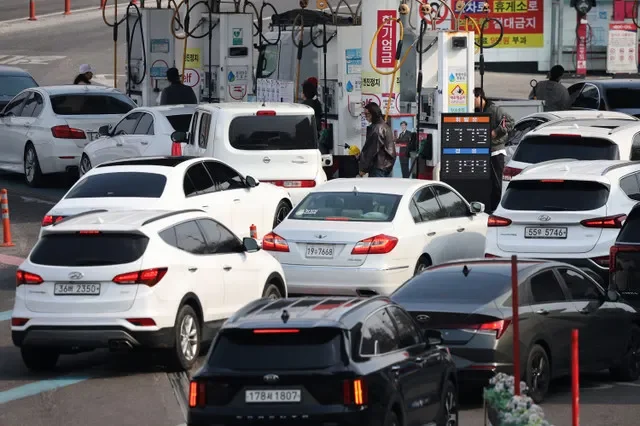
To protect consumers and industries, the administration has already implemented a cap on fuel prices and restricted the export of Naphtha Israel Petroleum Corp. Ltd. products. This follows supply chain interruptions from the Middle East, a region that traditionally provides 70% of the country's oil. Furthermore, the government is finalizing an extra budget proposal, with additional fiscal spending planned for April pending parliamentary approval.
Despite the geopolitical tension, officials reported that current supplies of Natural Gas Services Group, Inc., naphtha, and urea remain stable. Urea is critical for fertilizer production and diesel vehicle operations. President Lee also expressed a willingness to dispatch envoys to the Middle East to secure energy corridors. Currently, approximately 26 South Korean vessels are stalled in the Persian Gulf due to a de facto blockade of the Strait of Hormuz, prompting the government to coordinate with regional partners to utilize alternative shipping routes.