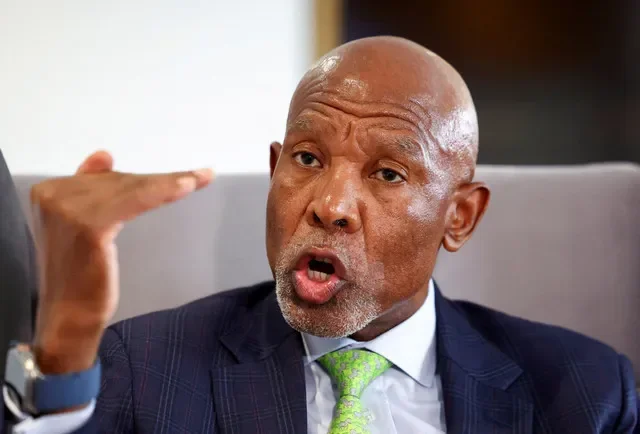
"Now the previous adverse scenario is gone - it was in the past ... we will come up with a completely new one."
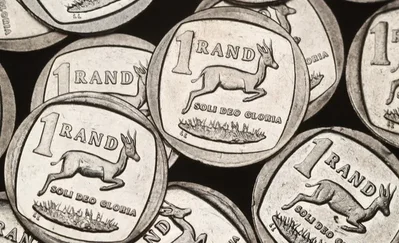
Kganyago explained that the bank’s previous adverse scenario had assumed an average oil price of $75 per barrel and a currency rate of 18.50. While the current environment is challenging, the governor emphasized that the bank is monitoring whether these shifts are temporary or persistent before adjusting policy.
"The call that as a policy maker you must make is - is this transitory, or is it persistent? And you only respond to the persistent, not to the transitory - and that is not an easy call to make."
The central bank is scheduled to announce its interest rate decision on March 26. In January, the bank held its main lending rate at 6.75%, citing a desire for inflation expectations to moderate. Kganyago noted that currency fluctuations typically have a more significant impact on South African inflation than oil price spikes alone.
Regarding the nation's foreign exchange strategy, the governor confirmed that the bank continues to accumulate dollars when market conditions are favorable.
"If we think that there are cheap dollars available in the market, we will pick them up."
Data released on Friday showed that South Africa's net foreign reserves rose to $75.84 billion at the end of February, up from $74.88 billion in January. This growth was driven by dollar purchases, the rising value of gold holdings, and proceeds from government borrowing.