Russia Expects 9 Billion Dollars in Oil Tax Revenue
Russia expects oil tax revenue to double to 9 billion dollars in April as the Iran crisis lifts prices. The windfall comes despite a first quarter deficit.

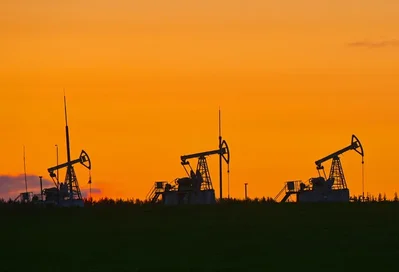
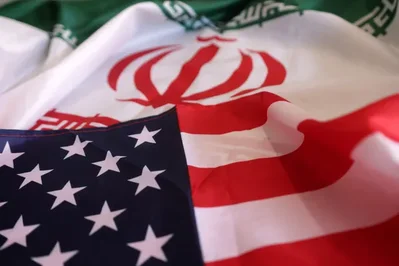
Russia is projected to see its revenue from its primary oil tax double to $9 billion in April, according to recent calculations. This significant increase is attributed to the energy crisis triggered by the conflict involving the United States and Israel against Iran. The situation has provided a substantial windfall for the world’s second-largest oil exporter during what traders describe as one of the most severe energy crises in modern history.
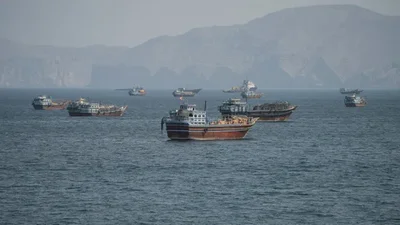
The conflict led to the effective closure of the Strait of Hormuz, a vital maritime route for roughly one-fifth of the world's oil and liquefied natural gas flows. This disruption caused Brent Crude Oil futures to surge past $100 per barrel.
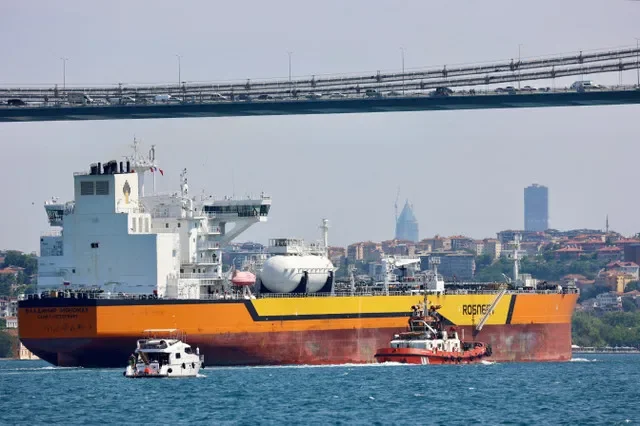
Russia's main revenue from its energy sector is currently driven by production levels, following the removal of crude oil export duties at the start of 2024 as part of a long-term tax reform. Based on preliminary production figures and current pricing, the mineral extraction tax on oil is projected to reach 700 billion roubles ($9 billion) this month, a sharp rise from 327 billion roubles in March and a 10% increase from the same period last year. The average price of Russia's Urals crude, used for tax calculations, rose to $77 per barrel in March, which is well above the $59 per barrel price point used for the state budget.
There were a huge number of requests for Russian energy from a range of different places amid a grave global energy crisis that was shaking the foundations of the oil and gas markets.
Despite the immediate financial gains, economists have noted potential challenges for the remainder of 2026. Ukraine has targeted Russian energy infrastructure in an effort to impact Moscow's finances, which could lead to future production cuts. Additionally, the finance ministry reported a budget deficit of 4.58 trillion roubles for the first quarter of the year. The final impact of the windfall will depend on the duration of the crisis in the Middle East.