Rising Oil Prices Delay Expected Federal Reserve Rate Cuts
Rising oil prices and the Iran conflict are delaying expected rate cuts. Fed nominee Kevin Warsh faces limited room to lower costs if inflation remains high.

The prospect of rapid monetary easing under Federal Reserve chair nominee Kevin Warsh is facing significant headwinds as geopolitical instability and rising energy costs complicate the economic outlook for the United States. Investors and analysts have begun recalibrating their expectations, pushing back the projected timeline for interest rate cuts as a persistent oil price shock threatens to keep inflation above target levels.
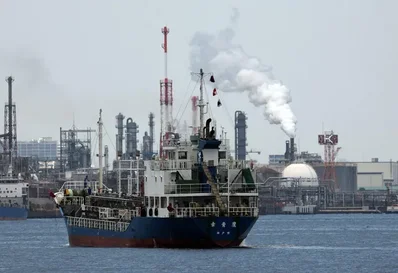
Despite coordinated efforts by major developed nations to release strategic petroleum reserves, the price of Brent Crude Oil surged back above $100 per barrel on Thursday. This price action follows a series of attacks against shipping in the strategic Strait of Hormuz attributed to Iran, alongside continued military operations involving Israel. The conflict has resulted in the closure of regional oil infrastructure and has been accompanied by shifting diplomatic rhetoric regarding the potential for a ceasefire.
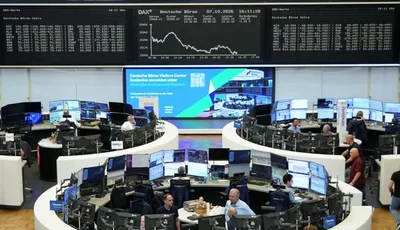
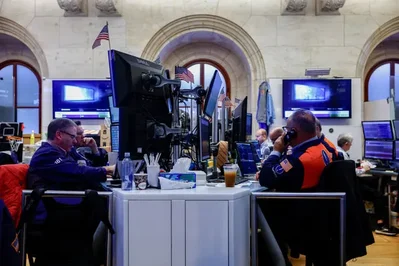
The impact of the war is increasingly felt by American households, with gasoline prices rising to nearly $3.60 per gallon, a sharp increase from the sub-$3.00 levels seen before the hostilities began. Financial conditions are tightening elsewhere; interest rates on 30-year home mortgages reached 6.11% this week, according to Freddie Mac. Additionally, rising yields on government debt present a challenge to fiscal pledges aimed at curbing national deficits, while declining stock markets may dampen consumer spending among wealthier demographics.
While central bankers typically view commodity supply shocks as temporary disruptions, the duration of the current spike is causing concern. Prolonged energy costs often filter through the economy, affecting everything from logistics and trucking to airline fares and food production.
The Feds response will depend on the scale, scope, and length of the oil shock.
Vincent Reinhart, chief economist at BNY Investments, noted that rising energy costs influence the economy in complex ways, potentially slowing consumer spending while simultaneously heightening inflation expectations. He suggested that the Federal Reserve might adopt a wait-and-see approach given the current level of uncertainty.
This is a situation in which uncertainty is elevated and the appropriate policy is to sit and wait to see what happens.
Expectations for a policy shift have cooled significantly. Data from CME Group Inc. indicates that the probability of a rate cut at Warsh’s first anticipated meeting in June has diminished, with some analysts now forecasting that easing may not occur until December or even late 2027. This shift places the incoming chair in a difficult position relative to political demands for immediate and deep reductions in borrowing costs.
Market intelligence suggests that while consumers are beginning to adjust their behavior—such as increasing online orders to save on fuel—broad spending has not yet seen a major collapse. Michael Gunther, senior vice president for research at Consumer Edge, noted that significant drop-offs in spending have not been observed since the conflict intensified.
But in terms of meaningful drop-offs in spending since Saturday, the 28th of February -- we are not seeing it.
Federal Reserve officials are expected to maintain the current policy rate of 3.5% to 3.75% at their upcoming meeting. The focus will be on the updated economic projections and Chair Jerome Powell’s assessment of how the conflict in the Middle East will influence the trajectory of the economy. Gregory Daco, chief economist at EY Parthenon, remarked that it is plausible the Fed will not deliver any rate cuts this year.
The labor market has also exhibited signs of cooling, with firms shedding 92,000 jobs in February. Luke Tilley, chief economist at Wilmington Trust, warned that the concentration of job growth in specific sectors like health care could signal underlying fragility.
I dont see us at a really solid place to be managing an energy price cycle like this right now.