Iran Conflict Threatens Brazil Grain and Fertilizer Trade
Middle East conflict threatens Brazil's grain exports and fertilizer imports. Analysts warn of shipping disruptions and price hikes for the 2026 crop cycle.

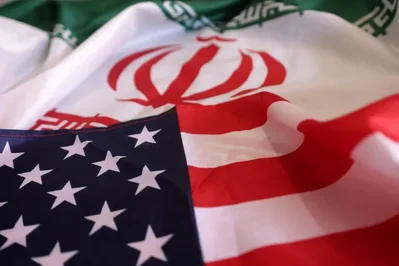
Farmers in Brazil are bracing for potential economic fallout as the intensifying conflict in the Middle East threatens to disrupt critical trade corridors for both grain exports and fertilizer imports. The escalation, characterized by United States and Israel military actions against Iran, has created significant uncertainty for global agricultural supply chains. Industry analysts warn that the instability could lead to the cancellation of grain contracts and a shortage of essential nutrients like urea, which are vital for Brazilian crop production.
Maritime logistics through the Strait of Hormuz have become increasingly hazardous, prompting shipping companies to evaluate alternative routes. According to shipping agency Alphamar, the rising danger in these waters has already inflated maritime insurance premiums. Some vessels are exploring the possibility of offloading cargoes in Oman to avoid entering the Persian Gulf, though the feasibility of transporting goods from there via land remains unclear.
"The alternative would be to cancel [grain] shipments," consultancy Argus told Reuters.
The impact on exports is immediate, with data showing that ten vessels are scheduled to transport more than 600,000 tons of Brazilian Soybeans and soymeal to the region in the coming days. Iran is a cornerstone of the Brazilian corn trade, having purchased approximately 9 million tons—or 20% of total exports—last year.
"Those cargoes, depending on circumstances, may be diverted to other destinations," said Arthur da Anunciacao Neto, owner of shipping agency Alphamar Agencia Maritima.
The fertilizer sector is equally vulnerable. StoneX Group Inc. highlights that the Middle East accounts for nearly 40% of the global urea trade, exporting an estimated 22 million tons annually. Brazil is particularly exposed, as it relies on imports for its entire urea supply. While direct imports from Iran appear low in official government figures, private estimates suggest that over 1.3 million tons are sourced from there via third-party routes to bypass international sanctions.
"The absence of Middle East suppliers will cause [a urea] supply imbalance," stated StoneX analyst Renato Françoso.
Short-term supply constraints are expected to drive up prices, with some sellers already withdrawing price lists due to market volatility. The search for alternative suppliers presents further complications. Production in Egypt is tied to natural gas supplies from Israel, which are also at risk. Meanwhile, China has been reducing its export volumes to satisfy domestic demand, and Russia—which provides about 16% of global urea—is facing its own logistical threats from drone attacks on industrial infrastructure.
"Nothing is expected to come from Iran," noted Francisco Vieira, director at consultancy Agroconsult.