Gold Price Gains Boost Turkish Wealth and Slow Disinflation
Rising gold prices added 300 billion dollars to Turkish wealth this year. Higher spending from these gains is now slowing the national fight against inflation.

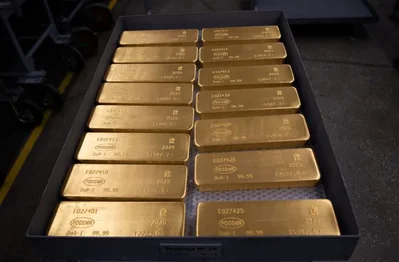
The surge in global bullion prices has significantly increased the wealth of citizens in Turkey, with the total value of domestic gold holdings now estimated at over $750 billion. This massive accumulation of wealth, representing nearly half of the country’s $1.57 trillion economy, has created a resilient level of domestic demand that is complicating official efforts to lower inflation. While global mining firms like Barrick Gold Corporation monitor international market trends, the Turkish market remains uniquely driven by a long-standing tradition of physical ownership. The central bank estimates that approximately $600 billion of this gold is held "under-the-pillow," referring to private holdings kept outside the formal banking system. This practice is a cultural staple, serving as a hedge against the depreciation of the lira and providing a tangible store of value. Beyond these private holdings, Turkish banks manage roughly $80 billion in gold deposits and investment funds, while the central bank maintains its own reserves of about $80 billion. This high level of ownership places the nation alongside other major gold-consuming markets such as India, Germany, and Vietnam. The wealth effect generated by rising gold prices has encouraged consumer spending despite annual inflation exceeding 30%. Furkan, a 21-year-old technician purchasing gold in Istanbul, highlighted the sentiment among local buyers: > "Ive been investing in physical gold for a year, buying it piece by piece whenever I save up." This trend has direct implications for monetary policy. The central bank recently observed that housing prices have increased more sharply in provinces with a higher share of gold deposits, as households use their gains to purchase property without needing credit. > "When households use gold-related wealth to buy homes without relying on credit, demand remains strong even amid tight financial conditions." Consequently, the central bank has had to adjust its strategy, delivering a smaller-than-expected 100 basis point interest rate cut to 37% in January. With gold prices jumping nearly 25% in the first month of the year alone, the resulting $80 billion increase in national wealth continues to provide a buffer for consumers, even as policymakers struggle to cool the economy. Asim Gursel, an Istanbul gold shop owner, noted a shift in behavior where customers are now selling gold to fund major purchases like cars or first homes, a reversal of previous trends where assets were sold to acquire more gold.