
Trump threatens to fire Jerome Powell from Fed board seat
President Trump says he will fire Jerome Powell from the Fed board if he stays past May 15. The move comes amid an ongoing probe into a central bank project.

President Donald Trump has intensified a high-stakes standoff with the United States central bank by threatening to fire Federal Reserve Chair Jerome Powell from his separate seat on the Board of Governors. The president stated on Wednesday that if Powell does not vacate his position entirely when his term as Fed chief concludes on May 15, he will be forced to take action. This move has upended the typically smooth transition of power at the institution.
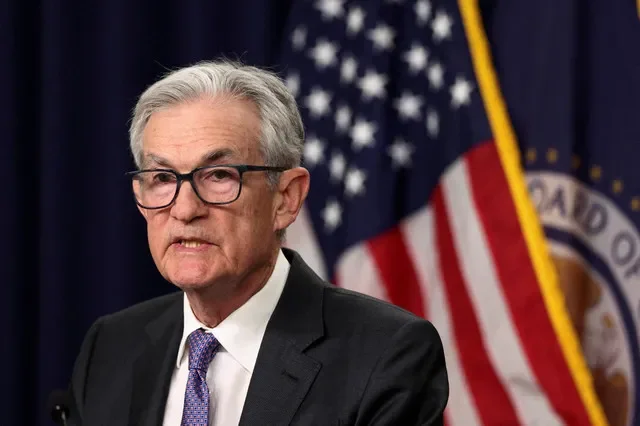
The administration's pressure campaign includes an ongoing criminal investigation into a Federal Reserve building project, which has been criticized for significant cost overruns. During an interview with Fox Business, Trump suggested the probe serves as evidence of Powell’s incompetence. When asked by host Maria Bartiromo if he wanted Powell out of the way, the president was explicit about his intentions regarding the dismissal.
\"If he’s not leaving on time - I’ve held back firing him, I’ve wanted to fire him, but I hate to be controversial, you know.\"
\"I want to be uncontroversial, but he will be fired,\" Trump responded.
These threats may delay the Senate confirmation of Kevin Warsh, Trump’s nominee to succeed Powell. The administration is seeking greater control over the seven-member board to facilitate shifts in monetary policy and other institutional changes. By removing Powell from the board entirely, the administration would have a freer hand in setting the central bank's direction.
Currently, Trump has appointed only three of the current board members. One of them, Fed Governor Stephen Miran, is in a seat whose term has already expired and would need to be vacated for Warsh to join the board. Meanwhile, there is no indication that U.S. Attorney Jeanine Pirro will back down from the investigation into the Fed's construction costs, further complicating the transition period.