US explores naval escorts for Strait of Hormuz shipping
The Pentagon is weighing naval escorts for ships in the Strait of Hormuz as traffic falls 97 percent. The move aims to stabilize energy markets amid the war.

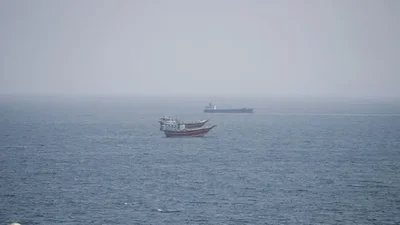
The United States Pentagon is currently exploring various methods to provide safe passage for commercial shipping through the Strait of Hormuz. General Dan Caine, Chairman of the Joint Chiefs of Staff, stated on Tuesday that officials are evaluating escort protocols as maritime traffic in the region has collapsed by 97% since the start of the conflict between Israel and Iran on February 28. The strait is a critical artery for global energy, serving as the primary maritime exit for Kuwait, Iraq, Qatar, and the United Arab Emirates. Located between the Iranian coast and Oman, the passage facilitates the movement of roughly one-fifth of the world's oil and liquefied natural gas. The economic stakes are significant, with oil prices reaching their highest levels since 2022. The United Nations has warned that a prolonged closure could trigger a global cost-of-living crisis similar to the one following the invasion of Russia into Ukraine. Furthermore, the strait is essential for agricultural stability, as approximately 33% of global fertilizer exports, including ammonia and sulphur, transit the waterway. Threats from the Islamic Revolutionary Guard Corps have effectively halted most commercial traffic, with insurance companies raising premiums by as much as 300% for any vessels attempting the crossing. In response, President Donald Trump announced that the American government would offer protection and financial guarantees for shipping firms. France has also proposed a joint international mission involving India and other Asian nations, though European leaders suggest such operations may only be sustainable once active hostilities cease. British Prime Minister Keir Starmer has held discussions with counterparts in Germany and Italy regarding maritime security options. > "We're looking at a range of options there." Securing the strait presents unique tactical difficulties due to its narrow geography. Shipping lanes are only two nautical miles wide, forcing vessels to maneuver close to Iranian-controlled islands and a mountainous coastline that offers cover for asymmetric forces. While Iran's conventional naval capabilities are limited, experts highlight the threat posed by fast attack boats, mines, and suicide drones. Reports suggest Tehran has the capacity to manufacture up to 10,000 drones per month. Former Royal Navy commander Tom Sharpe noted that while short-term escorts using several destroyers are feasible, maintaining such a presence for months would require immense resources. Comparisons have been drawn to other regional chokepoints. In Yemen, Houthi rebels successfully restricted traffic through the Bab al-Mandab Strait for more than two years despite international naval presence. While the shipping giant AP MOLLER-MAERSK A/S-A had previously considered returning to the Suez Canal route, many operators continue to divert around the southern tip of Africa. Similar security challenges were faced off the coast of Somalia, though the current situation involves a much more heavily equipped adversary. Alternative routes, such as pipelines through Saudi Arabia, are currently not fully operational and remain vulnerable to targeted attacks. Kevin Rowlands, Editor of the RUSI Journal, emphasized the necessity of a solution. > "The world needs oil to flow through from the Gulf, and so there is planning ongoing to put protection measures in place."