Patterson-UTI CEO says high oil prices won't boost output
CEO Andy Hendricks says high energy prices will not spur more US oil production due to market volatility. Long lead times make quick output gains difficult.

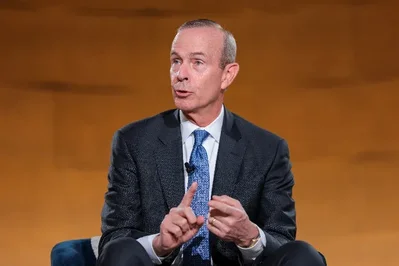
Despite a significant surge in global energy prices, the United States is unlikely to see a corresponding jump in domestic oil production. According to Andy Hendricks, the CEO of Patterson-UTI Energy, Inc., the current market lacks the predictability required for companies to commit to new drilling projects. The recent price volatility, largely driven by escalating tensions involving Israel and Iran, has created an environment of uncertainty that complicates long-term capital investments.
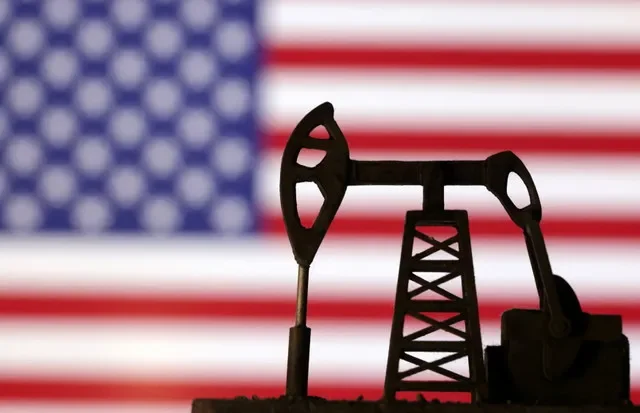
Oil markets have experienced dramatic fluctuations since late February, particularly following the closure of the Strait of Hormuz. This critical trade route disruption forced major Middle Eastern producers to scale back output, sending U.S. crude futures to a peak of $119 per barrel earlier this week—the highest level seen since August 2022. However, prices retreated to $83.45 per barrel on Tuesday following signals of potential de-escalation from the White House.
Hendricks emphasized that the timing of these price spikes does not align with corporate planning cycles. Most exploration and production firms set their annual budgets months in advance based on much lower price points.
"The challenge is in December, when we and the oil and gas companies we work for were all working on our budgets, oil was in the $50s."
The lead time required to bring new wells online further complicates the response to temporary price spikes. Hendricks noted that it often takes more than six months to operationalize new drilling sites, making short-term market movements unreliable for long-term planning.
"What is the true price of oil going to be in six to nine months?"
While U.S. oil production reached near-record levels of 13.7 million barrels per day last month, activity in key regions like the Permian Basin has shown signs of softening. Data suggests that production in the area recently dipped to 6.59 million barrels per day, down from a record high of 6.74 million barrels per day set last year. This trend affects major operators in the region, including Permian Resources Corporation.
The future trajectory of domestic output remains tied to the geopolitical situation in the Middle East. If the conflict persists and trade through the Strait of Hormuz remains blocked, the resulting price pressure might eventually force a shift in industry activity.
"I think the risk is that Permian oil production starts to slow this year."
Hendricks suggested that if a production slowdown occurs later this year, it could drive prices even higher, which might finally provide the catalyst for the industry to increase its drilling activity. Until then, the sector remains cautious, prioritizing budget stability over volatile market signals.