Panama Canal Transits Increase 2.8 Percent Through January
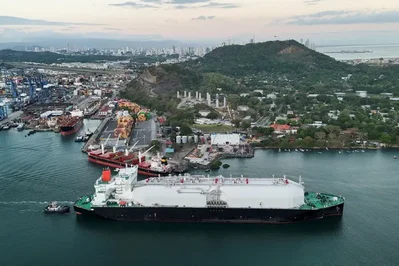
Panama Canal transits rose 2.8 percent through January as energy tanker traffic grew. The increase comes despite global trade volatility and regional tensions.

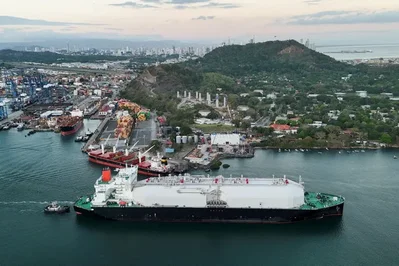
The Panama Canal, the world’s second busiest interoceanic passage, reported a 2.8% increase in vessel transits during the first four months of its fiscal year through January. This growth occurred despite a backdrop of global trade volatility, geopolitical tensions, and new tariffs. According to an analysis by the canal authority, the waterway saw 4,156 vessels during this period, an increase of 114 transits compared to the same timeframe a year earlier. The most significant traffic gains were observed in tankers carrying energy products, car carriers, and dry bulk carriers. Tanker transits alone rose by 11.2%, primarily supported by increased shipments from the United States. This uptick was linked to rising demand for fuels and chemical exports, including those associated with the global supply chain of the Methanol Chemicals Company, across markets in South Korea, Mexico, and Guatemala. Geopolitical factors are also playing a role in routing decisions. Analysts anticipate a potential rise in U.S. liquefied natural gas shipments through the canal to reach Asia, particularly if instability persists in the Strait of Hormuz due to the ongoing conflict involving Iran. Such tensions have already prompted some vessels to seek alternative routes to avoid high-risk zones. > The Panama Canal is operating in a stable and reliable manner despite geopolitical uncertainties, steadily increasing the number of daily transits and maintaining predictable service levels for our customers. While the authority did not release specific statistics following the emergence of recent regional conflicts, it confirmed that it is closely monitoring maritime trade patterns to ensure continued operational stability.