Oil Rises and Asian Stocks Fall After Iranian Gulf Attacks
Oil prices rose over 7% on Thursday following Iranian attacks on tankers in the Gulf. Asian stocks fell as investors feared higher energy-driven inflation.

Global equity markets retreated on Thursday as oil prices surged following reports of attacks on shipping vessels in the Persian Gulf and Iraqi waters. The escalating conflict has heightened inflation fears and driven up global borrowing costs, complicating the outlook for central banks.
U.S. crude rose 7.5% to $93.80 a barrel, while Brent crude futures jumped 7.7% to $99.03. These price spikes occurred despite a historic announcement from the International Energy Agency (IEA) to release 400 million barrels of oil from strategic reserves. As part of this coordinated effort, the United States confirmed it would release 172 million barrels starting next week.
The market volatility follows reports from security officials in Iraq that two fuel tankers were struck by explosive-laden boats launched from Iran. Iraqi officials indicated that oil port operations have come to a complete standstill. Tony Sycamore, an analyst at IG, described the scene as a direct and forceful response to the IEA's reserve release.
"Multiple tankers loaded with Iraqi crude are now reported burning in the Persian Gulf off the coast of Basra, engulfed in flames and leaking burning oil into the water."
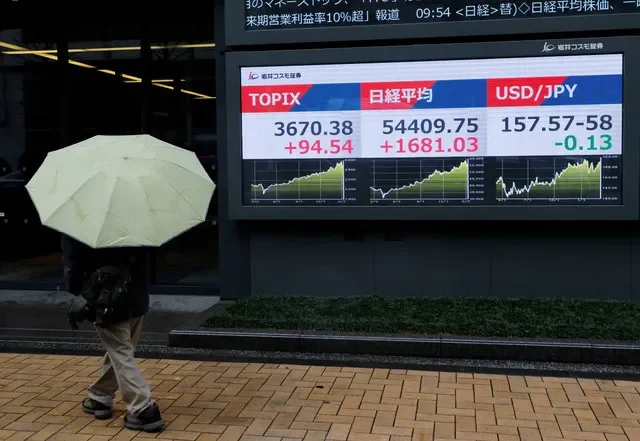
Equity indices across Asia felt the impact of the rising energy costs. The MSCI Inc. broadest index of Asia-Pacific shares outside Japan fell 0.8%. In Japan, the Nikkei dropped 1.6%, as the country remains a major importer of oil and gas.
Inflation risks have overshadowed safe-haven demand in the bond markets, pushing yields higher. The yield on 10-year Treasury notes rose to 4.2472% on Thursday. Although February data showed the U.S. consumer price index rose 0.3% in line with forecasts, analysts suggest the data has been overtaken by the inflationary pressure of the conflict. Investors are now scaling back expectations for interest rate cuts from the Federal Reserve, while markets are beginning to price in a potential rate hike from the European Central Bank as early as June.
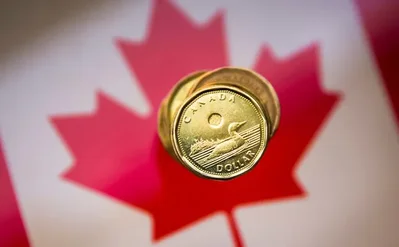
In currency markets, investors favored the liquidity of the U.S. dollar, which gained against the yen. The euro weakened to its lowest level since November. The Australia dollar, which is sensitive to risk sentiment, lost 0.4% to $0.7127, retreating from a three-year high reached earlier in the week.