Philippines Urges ASEAN to Activate Fuel Sharing Pact
President Marcos Jr urged ASEAN to activate its fuel sharing pact amid Middle East supply risks. He proposed joint stockpiling and domestic reserve increases.

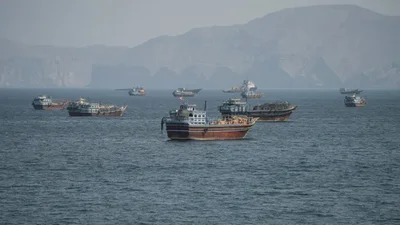
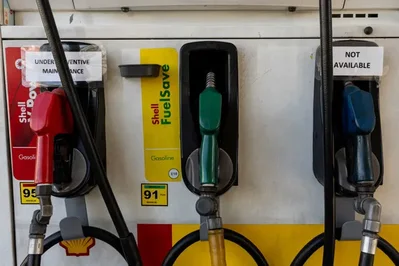
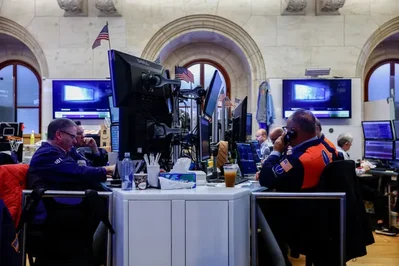
President Ferdinand Marcos Jr. of the Philippines has called for the immediate activation and testing of the ASEAN Petroleum Security Agreement (APSA). Speaking at the Asia Zero Emission Community (AZEC) Plus online summit hosted by Japan, the President emphasized the necessity of implementing the regional pact while the Middle East conflict continues to drive an oil crisis. The closure of critical shipping routes has exposed the vulnerability of Asian economies that remain heavily dependent on imported petroleum products. While global markets monitor the price of Brent Crude Oil and West Texas Oil, Marcos stressed that regional cooperation is essential to mitigate supply disruptions. Marcos offered the Philippines as a host or co-chair for the first APSA emergency simulation exercise to ensure the framework is ready for immediate deployment. > The mechanism exists and it should be tested now. He further proposed a regional study on joint oil stockpiling to enhance collective energy security. Domestically, the Philippines is accelerating the development of a strategic petroleum reserve, a government-controlled physical buffer designed to absorb shocks when commercial markets fail. The President also moved to increase mandatory fuel reserves for private companies, proposing that petroleum stocks be raised to 30 days from 15 days, and liquefied petroleum gas to 21 days from seven days. To reduce reliance on Middle East supply routes and maritime choke points, the administration is pursuing a risk-calibrated oil procurement strategy.