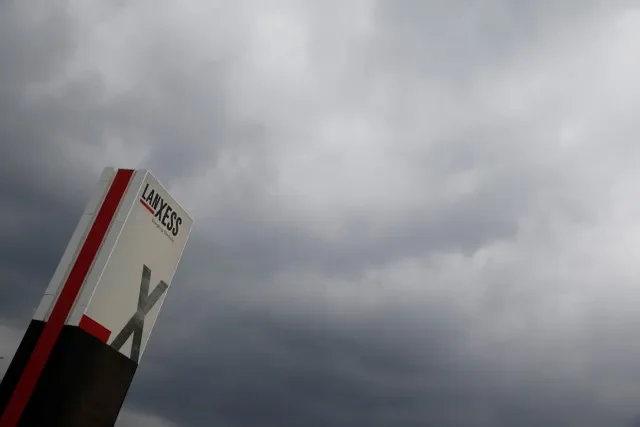
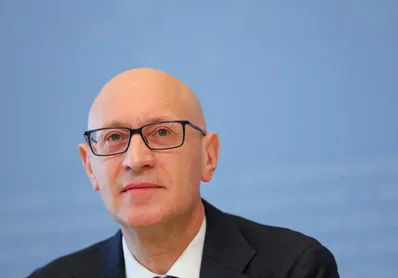
Chemical companies are particularly vulnerable to regional instability, as the Middle East serves as a primary source for many essential raw materials. Matthias Zachert, the CEO of Lanxess, stated that the costs for energy and materials have been rising steadily since the start of the conflict.
We have to do something about it and pass on these price increases, so that we do not have to foot the bill.
Zachert noted that while competitors are adopting similar strategies, Lanxess moved early to counteract the rising costs. Other major industry players, including Brenntag SE, Wacker Chemie AG, and BASF Se, have also begun increasing prices in response to the surge in energy expenditures.
If the Middle East conflict continues, the chemical industry will see a further and lasting increase in product prices.
In a separate assessment, the VCI chemicals association in Germany warned that the war has significantly increased risks to the global economy, specifically highlighting the potential blockade of the Strait of Hormuz. The industry lobby expects strong price increases for products where the region plays a central role in international trade.
Consequently, strong price increases are expected, especially for products where the region plays a central role in the global trade.