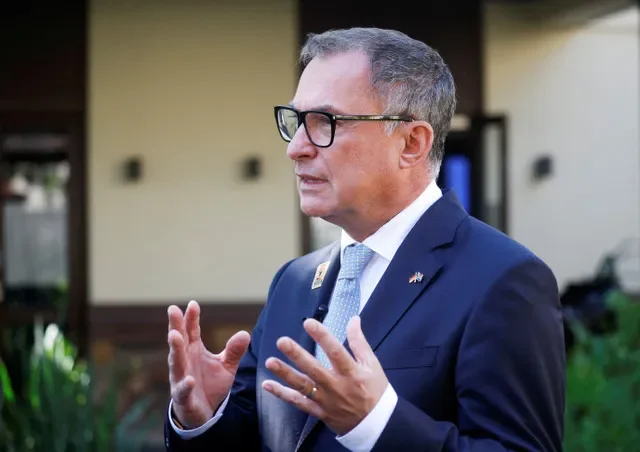
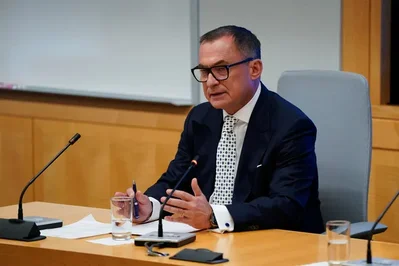
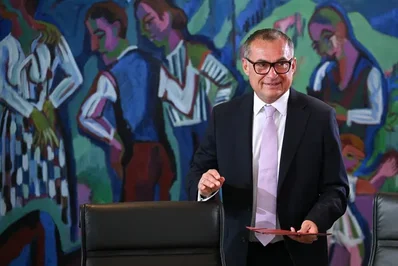
The shift in sentiment follows a period of heightened volatility in energy markets linked to the conflict in Iran. This instability has already caused a spike in oil and gas prices, presenting a significant challenge for the energy-dependent euro area. Nagel emphasized that the central bank must remain vigilant and ready to act if medium-term inflation expectations begin to drift.
"It is certainly an option, but just one option."
Nagel further explained that by late April, the Governing Council would have a clearer picture of both the conflict's progression and its broader economic impact. He cautioned against delaying necessary action simply due to concerns about timing.
"I think we’ll have enough data by April to determine whether we need to take action or whether we can wait and see."
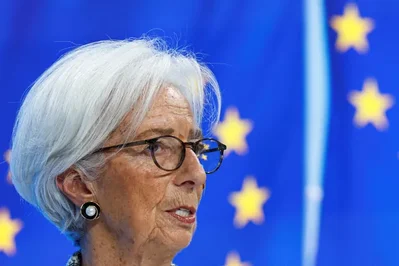
ECB President Christine Lagarde echoed this sentiment earlier in the week, stating that the bank is prepared to intervene at any scheduled meeting to ensure inflation returns to its 2% target. Beyond energy, policymakers are closely monitoring wage growth and price increases in other sectors to determine if inflationary pressures are becoming structural.
"But we shouldn’t shy away from it now just because we think it’s still too early."
The closure of the Strait of Hormuz has added another layer of complexity, as it has restricted the supply of critical chemicals and fertilizers. Investors and firms, including those like Euroholdings Ltd., are closely watching these developments as they assess the potential for higher borrowing costs.
"This is certainly a situation in which every passing day contributes to an increase in inflationary risks, particularly with regard to what interests us most from a monetary policy perspective: how medium-term inflation expectations will evolve."
Financial markets are currently pricing in two to three interest rate increases before the end of the year. If these projections hold, the ECB's policy rate could reach between 2.50% and 2.75% by December.