

Yen drops to 160 per dollar as intervention risks rise
The yen hit 160 per dollar Friday, its weakest level since July 2024. Investors favored the dollar amid Middle East conflict as Tokyo warns of intervention.

The U.S. Dollar / Japanese Yen exchange rate climbed to the 160 level on Friday, marking its weakest point since July 2024. The dollar was last up 0.22% at 160.15 yen, a threshold that many market participants view as a potential trigger for official currency intervention by authorities in Japan.
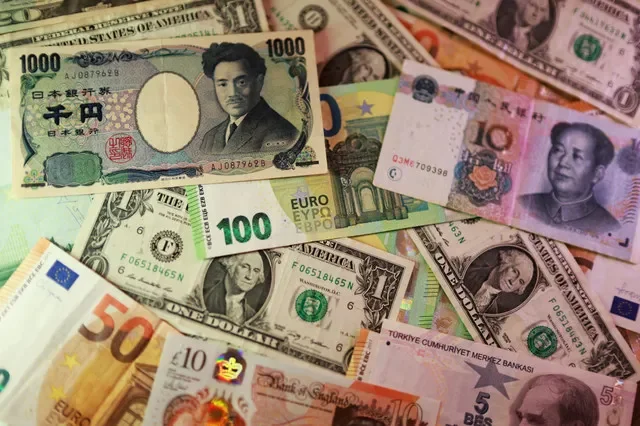
The broader dollar index also gained 0.17% to reach 100.4, positioning the greenback for its strongest monthly performance in nearly a year. This upward trend is largely attributed to the ongoing conflict in the Middle East, which has led investors to seek safety in the United States currency. This flight to quality has seen the dollar favored over other traditional safe-haven assets, such as Gold or government bonds.
The yen has been under consistent pressure for months as Prime Minister Sanae Takaichi explores more expansive fiscal policies to stimulate economic growth. These measures have complicated the Bank of Japan's efforts to gradually increase interest rates to control inflation. Since the start of the regional conflict, the yen has depreciated by more than 2% against the dollar, making it one of the worst-performing major currencies over the last month. The currency's decline is further exacerbated by the nation's fragile public finances and its heavy dependence on imported energy.
Officials in Tokyo have issued repeated warnings that they could intervene to support the yen if its weakness becomes excessive. The last major intervention took place in July 2024, when the yen reached approximately 161 per dollar, its lowest level since the 1980s.