Japan Labels Yen Moves Speculative Amid Middle East War
Japan labeled yen falls speculative as the currency neared 160 per dollar on Tuesday. Rising oil costs from the Iran war may prompt a rate hike in April.

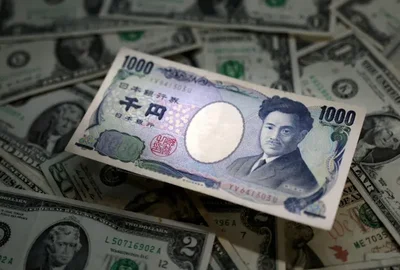
Japan has officially characterized the recent depreciation of the yen as driven by speculation, marking a shift in rhetoric as the ongoing conflict involving Iran triggers a broad sell-off in domestic assets. Finance Minister Satsuki Katayama issued the warning on Tuesday, signaling that authorities are increasingly concerned about currency short-sellers as the yen hovers near the critical 160-per-dollar threshold.
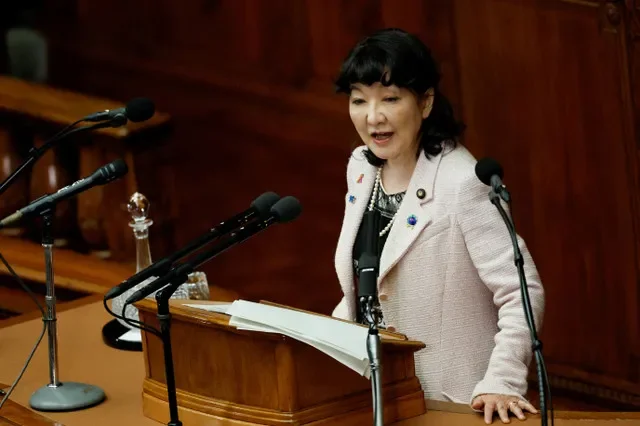
Katayama emphasized the government's readiness to act against extreme market volatility during a parliamentary session.
Were seeing speculative moves heightening in the currency market, as well as in the oil futures market.
This explicit mention of speculation is the first since the Middle East conflict began a month ago. Previously, officials had suggested that speculative activity in oil markets was merely an indirect factor. Japanese authorities have historically justified currency interventions by citing G7 and G20 agreements against disorderly FX moves that deviate from economic fundamentals. The yen traded at approximately 159.93 per dollar following the remarks, remaining just below the level where many analysts expect direct government intervention.
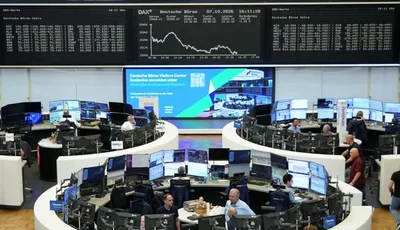
The \"triple sell-off\" has seen the Nikkei average decline by more than 11% in March, while the benchmark 10-year government bond yield rose to levels not seen since 1999. Economy Minister Minoru Kiuchi confirmed that the government is monitoring the bond market alongside currency fluctuations for any signs of excessive movement.
While core inflation in Tokyo slowed to a two-year low in March due to fuel subsidies, the Bank of Japan faces mounting pressure to raise interest rates. Surging oil prices and higher import costs resulting from the weak yen are expected to drive a temporary inflation overshoot. Markets are currently pricing in a 70% probability of a rate hike during the central bank's policy meeting scheduled for April 27-28.
Mari Iwashita, an executive rates strategist at Nomura Holdings, Inc., noted that the current economic environment makes the country more vulnerable to price shocks than during previous geopolitical crises.
Given the double punch from the weak yen and oil spike, the risk of an inflation overshoot is heightening.
Analysts suggest that if the yen slides below 162 quickly, the next threshold for potential intervention would be 165. The closure of the Strait of Hormuz has exacerbated these pressures, as the chokepoint handles nearly 20% of global oil and gas flows, driving up crude prices and strengthening the safe-haven dollar.