
Investors ramp up bearish rupee bets amid oil price shock
Rupee options trading has surged since the Iran war began on February 28. Investors favor short-term bearish bets as high oil prices weigh on the economy.

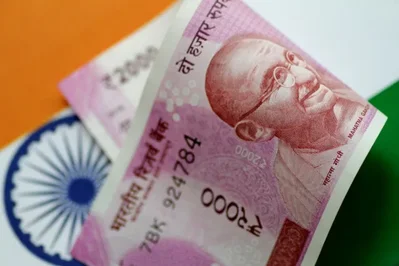
Trading in options for the Indian rupee has experienced a significant increase following the outbreak of conflict in Iran, as market participants engage in heavy speculative and hedging activities. This surge is characterized by a strong lean toward short-term bearish bets, suggesting that the currency will remain under sustained pressure. The jump in activity reflects how the volatility in energy markets has reshaped positioning for the rupee.
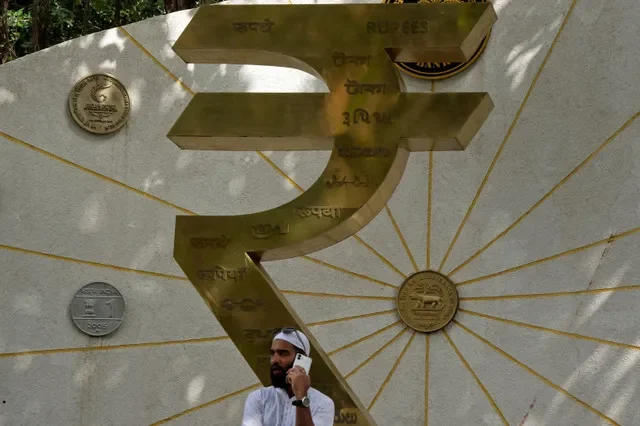
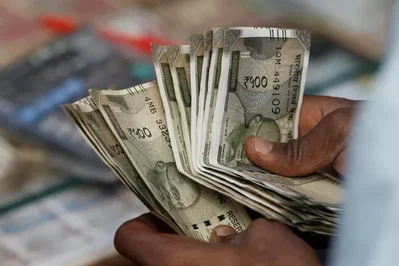
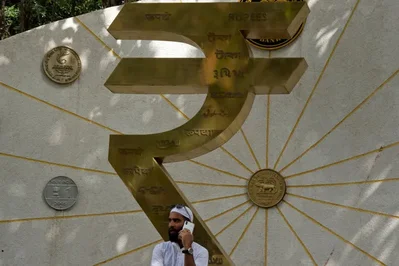
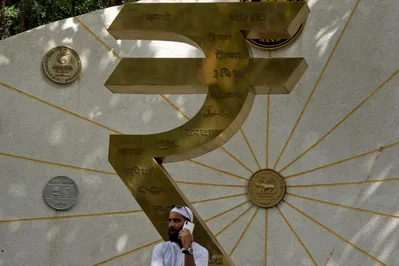
India is particularly vulnerable to fluctuations in energy costs, as the nation imports more than 80% of its total energy requirements. Since the start of the war on February 28, Brent Crude Oil has climbed by more than 40%. This sharp increase threatens to widen the current account deficit and accelerate inflation, leaving the rupee more exposed than many of its regional peers. Currently, the rupee is trading near its record low of 92.4550 against the dollar, a decline that might have been more severe without intervention from the central bank.
Data from the United States shows that the notional value of dollar-rupee options reached approximately $18.5 billion in the first half of March alone. This figure is nearly double the typical volume when adjusted for the shorter timeframe, as the previous three months averaged between $24 billion and $25 billion per month. The dominance of call options over put options indicates that traders are bracing for further depreciation of the Indian currency.
Most of this trading activity is concentrated in short-dated contracts, which allows investors to capitalize on immediate volatility linked to the geopolitical situation. A portfolio manager at a hedge fund based in Singapore noted the shift in market focus.
Last week was more about positioning for an escalation in the conflict, which put pressure on oil-importing currencies, and this week is more of the same.
As the conflict persists, funds are increasingly differentiating between the winners and losers of high energy prices, keeping the outlook for the rupee cautious.