Rupee and Bonds Face Pressure as Middle East War Continues
The Indian rupee and bonds face pressure as the Middle East war enters its fourth week. High oil prices weigh on sentiment ahead of upcoming Indian PMI data.

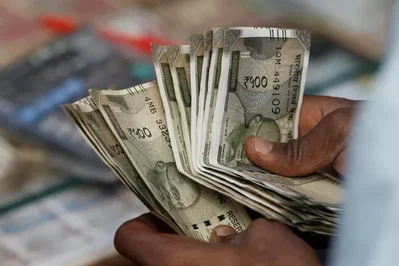
The financial markets in India are expected to remain under significant pressure as the conflict in the Middle East enters its fourth week, driven by elevated oil prices and energy supply concerns. The Indian rupee, which recently fell past 93 per dollar in its most volatile week in over three years, is likely to face further headwinds. Market participants are closely watching for potential central bank intervention, noting the currency has shed approximately 3% of its value since the start of the war involving Iran.
The geopolitical crisis, initiated by the United States and Israel on February 28, has resulted in over 2,000 deaths and caused a sharp spike in energy prices. Crude oil reached $112 per barrel last Friday, marking a monthly increase of over 50%. Traders at state-run banks suggest that while the rupee remains biased toward further depreciation, the Reserve Bank of India may act to prevent excessive speculative positioning following last week's sharp decline.

Investors are closely monitoring upcoming economic indicators to gauge the domestic impact of energy supply uncertainties. According to a research note from The Goldman Sachs Group, Inc., preliminary purchasing manager indexes (PMI) will be a primary focus for those seeking timely updates on activity. Flash PMI data for the manufacturing and services sectors in India, compiled by HSBC Holdings plc, is due on Tuesday. Economists anticipate these readings will show continued expansion, though the pace may remain flat compared to the previous month.
In the debt market, the benchmark 10-year yield ended at 6.7369% on Friday, recording its largest weekly increase in three months. The combination of rising oil prices and a perceived lack of aggressive central bank support has weighed on investor confidence. Although the Reserve Bank of India purchased 195 billion rupees in bonds recently to stabilize the market, yields are expected to trade within a range of 6.70% to 6.80% as the financial year draws to a close.
While swap rates suggest the market is factoring in potential interest rate hikes, some analysts believe the impact of the regional conflict on domestic policy may be overstated. Anurag Mittal, senior executive vice president and head of fixed income at UTI AMC, emphasized that the duration of high oil prices is the critical factor.
The more relevant threshold is whether crude moves meaningfully above $100 per barrel and, more importantly, stays there for a sustained period beyond 2–3 months.
Key factors for the upcoming week:
- Tuesday, March 24: India Flash PMI (Manufacturing, Services, and Composite) at 10:30 a.m. IST.
- Tuesday, March 24: U.S. March S&P Global Flash PMI at 8:30 p.m. IST.
- Tuesday, March 25: U.S. February import prices at 6:00 p.m. IST.
- Thursday, March 26: Initial weekly jobless claims for the week to March 21 at 6:00 p.m. IST.
- Friday, March 27: March U-Mich sentiment final at 7:30 p.m. IST.