Indian Refiners Weigh Legal Risks of Russian Oil Waiver
Indian refiners seek legal advice on buying sanctioned Russian oil after a US waiver. The move aims to ease fuel shortages caused by recent Middle East crises.

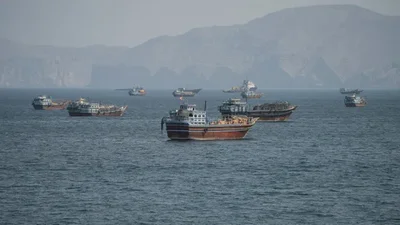
Refiners in India are currently seeking legal counsel to determine the feasibility of purchasing sanctioned crude from Russia following a strategic policy shift by Washington. The United States recently granted a 30-day waiver to allow the purchase of oil stranded at sea, a move intended to stabilize global energy markets and mitigate the impact of supply disruptions. The waiver, which remains valid until April 4, applies to Russian oil loaded onto vessels as of March 5. This regulatory opening has prompted state-run refiners to secure at least 20 million barrels of prompt oil currently in international waters. These actions come as the world's third-largest oil importer attempts to navigate a supply crunch that has affected the pricing of Brent Crude Oil. Energy security has become a primary concern for New Delhi as regional instability threatens traditional supply routes. Approximately 40% of the nation's crude imports typically transit through the Strait of Hormuz. However, recent production stoppages in Qatar and delivery disruptions involving the ABU DHABI NATIONAL OIL CO FO have tightened the domestic market. Despite the new legal window, Indian companies remain cautious about the financial risks associated with sanctioned entities. A government source highlighted the current strategy regarding these transactions: > So far refiners have bought only non-sanctioned oil to avoid complications including payment problems if they buy oil linked to sanctioned entities and vessels. While the nation was a major purchaser of seaborne Russian crude following the 2022 invasion of Ukraine, import volumes saw a decline earlier this year under diplomatic pressure. By reducing these purchases previously, New Delhi managed to avoid significant tariffs and progress toward an interim trade agreement with American authorities. To maintain domestic stability, the government has now directed refiners to ramp up the production of liquefied petroleum gas and other essential fuels to prevent shortages for industries and households.