Indian Bank Liquidity Deficit Reaches 659 Billion Rupees
India's banking liquidity hit a 659 billion rupee deficit due to tax outflows and currency intervention. Analysts expect conditions to ease by the end of March.

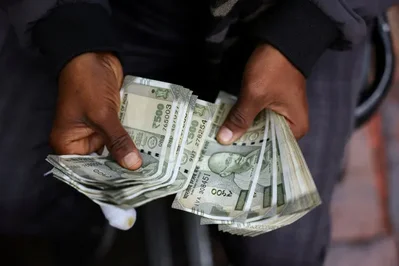
The banking system in India has experienced a significant liquidity slump, marking its first major deficit of 2026. Heavy tax outflows and interventions in the currency market have drained cash balances, which have not yet been replenished by the central bank. The deficit widened to approximately 659 billion rupees ($7.01 billion), representing the highest level since late December and a stark contrast to the average daily surplus of 2.50 trillion rupees seen between early February and mid-March.
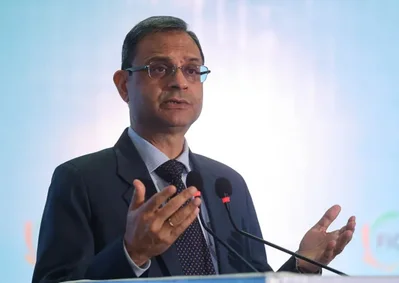
Sakshi Gupta, principal economist at HDFC Bank Limited, identified the primary drivers behind this shift.
The gap is on account of FX intervention and frictional factors like GST outflows and advance tax outflows.
Liquidity often tightens toward the end of the fiscal year on March 31, which can temporarily inflate short-term borrowing costs. In March, the central bank reportedly conducted around $20 billion in interventions to support the local currency amid geopolitical tensions in the Middle East. This has contributed to a shortage of rupee liquidity, pushing overnight rates roughly 10 basis points above the policy rate. On Monday, the weighted average call rate reached 5.35%, up from levels below 5.25% maintained throughout much of the previous six weeks.
While the Reserve Bank of India injected nearly 1.80 trillion rupees through bond purchases earlier this month, it has recently shifted toward variable-rate repos, which have seen limited interest from banks. However, analysts expect these pressures to subside as the month concludes. Madhavi Arora, an economist at Emkay Global, noted that government spending typically increases at the end of the fiscal year.
The liquidity deficit is likely to ease towards the end of March, led by year-end and month-end government spending, even as consistent foreign exchange intervention and year-end demand for funds may offset it somewhat.
Gupta further suggested that the central bank might still announce additional open-market operations or longer-term variable-rate repos depending on the continued impact of currency market interventions on the broader financial system.