India Retail Auto Sales Surge 25 Percent in February
Indian vehicle sales rose 25.6 percent last month as tax cuts and wedding season demand boosted rural and urban markets. Dealers expect growth to continue.

Retail vehicle sales in India witnessed a significant surge of 25.6% in February, driven by the enduring impact of previous tax reductions and a seasonal uptick in wedding-related demand. According to data released by the Federation of Automobile Dealers Associations (FADA) on Thursday, the growth reflects a robust recovery across both rural and urban markets.
Analysts had anticipated double-digit year-on-year expansion for the month, citing a combination of strategic price cuts, the introduction of new models, and resilient demand from rural areas. This momentum follows a move by the government to lower vehicle taxes last September, a policy designed to stimulate domestic consumption following the imposition of significant tariffs by the United States.
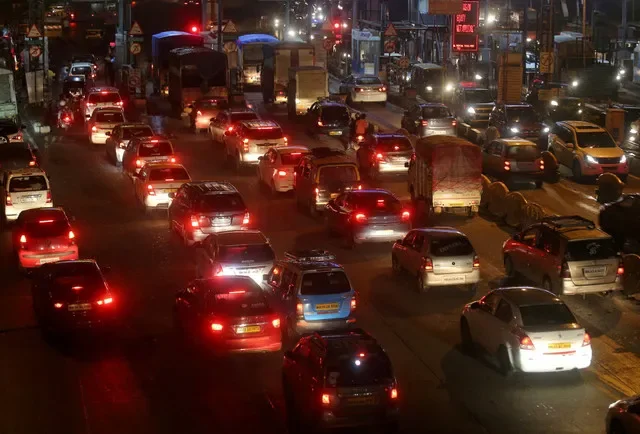
Specific segments showed strong performance, with two-wheeler sales rising by 25% and passenger vehicle sales climbing by 26.1%. The FADA report highlighted that the wedding season played a crucial role in boosting consumer inquiries. C.S. Vigneshwar, president of the dealer body, suggested that this upward trajectory is not merely a temporary spike.
The industry had always expected the impact of the tax cuts to be seismic rather than seasonal.
Looking ahead, the outlook remains optimistic. A survey conducted by the association revealed that over two-thirds of dealers expect retail sales to continue growing through March. This expectation is supported by upcoming festival-driven demand and the traditional rush for fiscal year-end purchases.
Despite the positive sales figures, some challenges persist. Dealers have noted supply constraints for specific popular models. Regarding external factors, Vigneshwar clarified that the ongoing conflict in the Middle East has not yet caused immediate disruptions to vehicle logistics. Additionally, efficiency in the market appears to be improving, as passenger vehicle inventory levels dropped for the fifth consecutive month, falling to an average of 27–29 days compared to 32–34 days in January.