Middle East War to Raise Inflation and Slow Global Growth
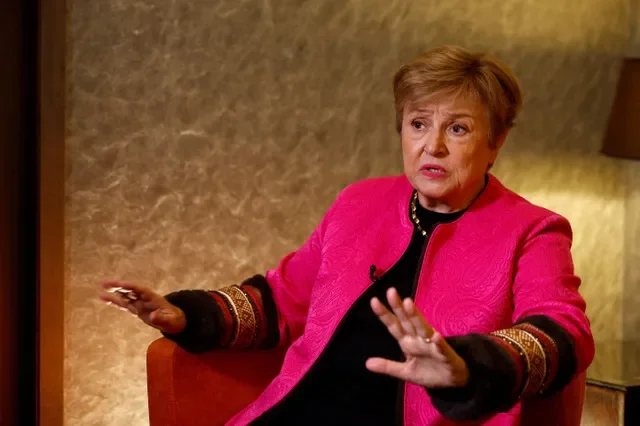
IMF chief Kristalina Georgieva says Middle East conflict will slow growth and raise inflation. The IMF previously expected 3.3 percent global growth for 2026.

The ongoing conflict in the Middle East is expected to result in higher inflation and a slowdown in global economic growth, according to the head of the International Monetary Fund. Managing Director Kristalina Georgieva provided this assessment on Monday, ahead of the organization's updated economic outlook scheduled for release next week.
Before the conflict began, the International Monetary Fund had been prepared to slightly increase its growth projections, which were previously set at 3.3% for 2026 and 3.2% for 2027. The war has effectively reversed that positive momentum.
Had we not had this war we would have seen a small upgrade of our growth projections.
Instead, all roads now lead to higher prices and slower growth.
Kristalina Georgieva explained that even a short-lived conflict with a rapid recovery would still necessitate a slight reduction in growth forecasts and an increase in inflation expectations. However, a prolonged war would have a much more substantial negative impact on the global economy.
The International Monetary Fund has already received requests for financial aid from several countries, although Kristalina Georgieva did not specify which nations have sought help. She noted that the fund could expand existing lending programs to address the evolving needs of its member states.