High Fuel Costs Create Stress Test for US Airlines
Rising fuel costs create a stress test for US airlines. While major carriers have liquidity, low-cost rivals face significant risks of a financial shakeout.

The aviation industry in the United States is facing a potential financial realignment as surging fuel prices create a sharp divide between major carriers and their lower-cost rivals. This price spike, the first significant stress test since the pandemic, is forcing airlines to choose between aggressive growth and defensive measures.
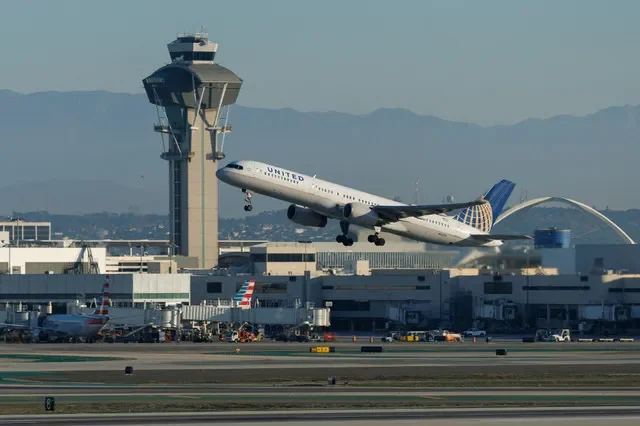
United Airlines Holdings, Inc. is already preparing for a prolonged period of high energy costs. CEO Scott Kirby informed employees that the airline is modeling Brent oil prices as high as $175 per barrel, potentially remaining above $100 through 2027. This shift follows geopolitical tensions and military strikes involving Israel and Iran, which have pushed jet fuel prices to $4.24 a gallon, up from $2.50 earlier this year.
The impact is particularly acute for carriers with thinner margins. Moody's Corporation indicated that low-cost and ultra-low-cost airlines are the most vulnerable. JetBlue Airways Corporation and Frontier Group Holdings, Inc. were already struggling with unprofitability last year, and a sustained fuel shock could further erode their financial stability. Spirit Airlines, which is currently in bankruptcy proceedings, has warned that a continued rise in costs could force liquidation.
In contrast, Delta Air Lines, Inc. and United appear better equipped to handle the volatility. Analysis from S&P Global Inc. suggests that strong liquidity, low leverage, and a high proportion of premium revenue provide these legacy carriers with a significant advantage. Delta CEO Ed Bastian noted the severity of the situation for the broader industry:
"When you double your number one or number two cost item on your profit and loss statement almost overnight, that has a significant impact."
Other major players are navigating varying levels of exposure. American Airlines Group Inc. reported that every one-cent increase in fuel prices adds $50 million to its annual costs, though it maintains over $10 billion in liquidity. Southwest Airlines Co. possesses a robust balance sheet, but analysts warn that a protracted shock could force difficult decisions regarding cash allocation. Meanwhile, Alaska Air Group, Inc. has already begun raising fares to offset costs while continuing its integration of Hawaiian Airlines.
The current environment may lead to a significant industry shakeout. Analysts at JPMorgan Chase & Co. believe that sustained high fuel prices could accelerate the decline of weaker low-cost carriers, potentially leading to a more consolidated market dominated by larger, brand-loyal airlines after 2027.