
Indian Gold Demand Weakens as China Investment Stays Firm
High prices and supply disruptions from the Middle East conflict slowed Indian gold demand this week. Meanwhile, Chinese buyers continued steady investment.

Physical gold markets across Asia are navigating a period of significant volatility as geopolitical tensions in the Middle East and fluctuating prices impact consumer behavior. In India, the combination of record-high costs and regional instability has significantly dampened retail interest, particularly during the traditional wedding season. Domestic prices in the country fluctuated near 160,000 rupees per 10 grams, following a peak of 169,880 rupees earlier in the week. This surge has made the precious metal increasingly inaccessible for many consumers.
"At these levels, buying gold is becoming unaffordable," said Varghese Alukka, managing director of jeweller Jos Alukkas.
Logistics have also been impacted by the escalating conflict in the Middle East. Gold shipments from the United Arab Emirates, a primary supplier to the Indian market, have nearly ceased due to flight cancellations and airspace closures. This supply squeeze has narrowed local discounts to approximately $28 per ounce, down from a 10-month high of $65 last week.

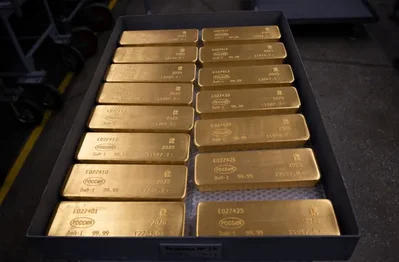
Conversely, the market in China has shown remarkable resilience. Despite spot prices climbing, physical gold traded at premiums of $13 to $15 per ounce over global benchmarks, reflecting a robust appetite for long-term investment. This steady demand persists even as global prices remain at elevated levels.
"A steady premium means physical demand is still very steady, even after the gold price was above $5,000," noted Peter Fung, head of dealing at Wing Fung Precious Metals.
The broader gold sector, which includes major industry participants like Barrick Gold Corporation, saw spot prices jump more than 8% in February. However, prices retreated by approximately 3% this week, settling near $5,135 per ounce amid shifting expectations for interest rate cuts and concerns over energy-driven inflation.
In other Asian hubs, market activity showed varying trends. In Singapore, premiums softened to approximately $2.25 per ounce. Meanwhile, in Hong Kong, gold traded at par to premiums of $2, and in Japan, the metal was sold at par to premiums of up to $1.