Guinea considers bauxite export quotas amid price drop
Guinea is weighing bauxite export quotas to counter falling prices and rising freight costs. The move aims to protect revenue for the world top producer.

Guinea is reportedly considering the introduction of export quotas for mining companies as early as this month. This potential policy shift comes as global prices for bauxite, the primary feedstock for aluminum, continue to retreat while shipping costs climb, putting significant pressure on national revenue.
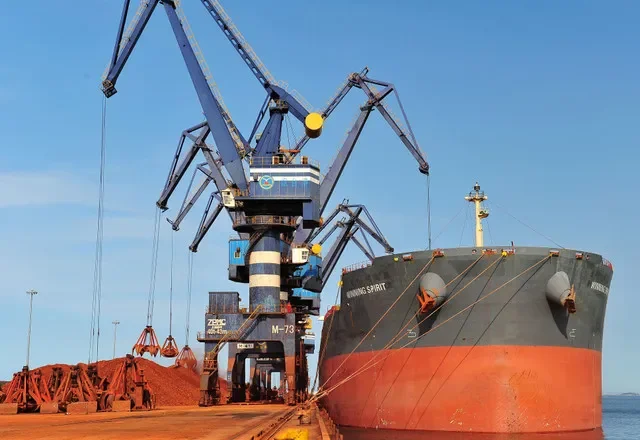
The nation's bauxite exports saw a 25% increase in 2025, with more than 70% of the volume shipped to China. Despite this volume growth, global bauxite prices have dropped by 20% to 35% from their 2025 highs. Benchmark cargoes from Guinea and Australia were recently traded at $60 to $70 per metric ton. In this competitive landscape, firms such as AUSTRALIAN BAUXITE LTD are navigating a market increasingly defined by supply-side interventions and logistical hurdles.
Industry sources indicate that export quotas for individual mining projects are currently under assessment, though a final decision has not been reached. A mining executive suggested that any such move would likely be limited to large-scale producers. This strategy aligns with a broader effort by the Guinean government to clean up its mining sector, which also hosts substantial reserves of gold, lithium, and iron ore.
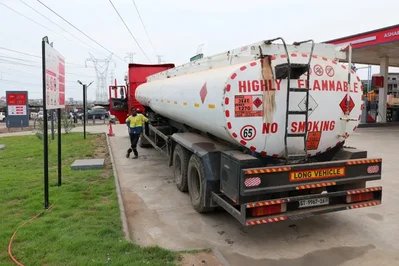
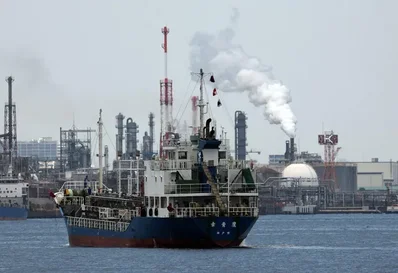
Rising freight costs are further squeezing profit margins for producers. Patrice LHuillier, chief executive of the state-owned Nimba Mining, attributed these rising expenses to geopolitical tensions and the conflict involving Iran.
“Guineas export bans of 2024 should give investors an idea of where prices can go, if this same government now decides to control exports via quotas,” said Tom Price, head of commodities at investment bank Panmure Liberum.
Price warned that attempts to bolster prices by restricting exports could potentially backfire by signaling supply risks to the international market.
“Export quotas could flag Guinea as a supply risk and hurt longer-term demand,” Price said.
This move reflects a growing trend among African nations to implement tougher measures to increase earnings from their natural resources, including export controls, higher royalties, and mandates for domestic processing.