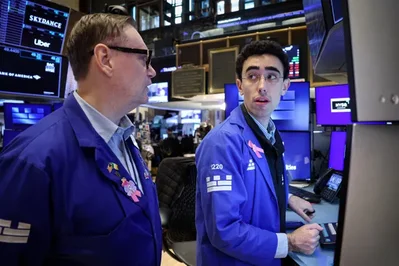
Pakistan, which has been mediating between the two nations, requested the two-week extension to facilitate further diplomacy. Iran's Supreme Security Council announced that negotiations would begin on April 10 in Islamabad, though it cautioned that the talks do not necessarily signal an end to the ongoing conflict. The prospect of a pause in hostilities provided a brief respite for global markets.
This is a knee-jerk relief rally and it remains to be seen if Iran complies.
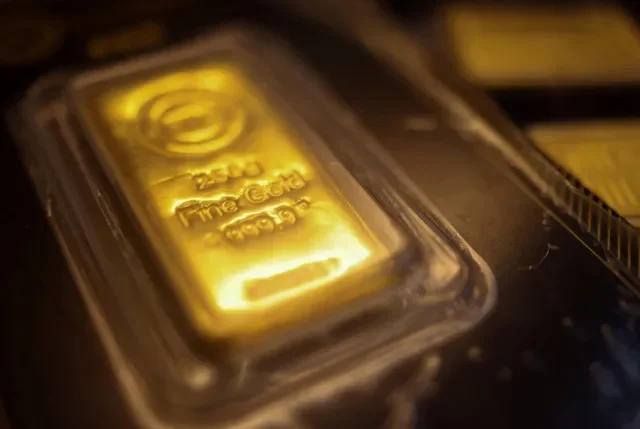
Independent metals trader Tai Wong noted that gold faces key technical hurdles at the 200-day moving average of $4,930 and the psychological $5,000 level. Similarly, $80-$81 remains an important threshold for Silver. Despite the current rally, gold has faced downward pressure earlier in the year, falling more than 8% since the conflict began in late February.
Market participants are also weighing the broader economic impact of the conflict. Research by the Federal Reserve Bank of Dallas suggests that prolonged disruptions to global oil trade could push inflation in the American market above 4% by year-end. While gold is often viewed as a safe-haven asset and a hedge against inflation, its appeal can be limited in high-interest-rate environments where it offers no yield.
In the broader precious metals market, spot silver gained 4.9% to trade at $76.48 per ounce. Platinum saw an increase of 3.2%, reaching $2,020.57, while Palladium rose 4.1% to settle at $1,529.35. Investors are now looking ahead to the release of the Federal Reserve's March meeting minutes for further clues on the future path of interest rates.