Market sentiment was further influenced by escalating geopolitical tensions in the Middle East. President Donald Trump warned Iran of severe repercussions if the Strait of Hormuz remains closed, though intelligence assessments suggest the waterway is unlikely to reopen in the immediate future. The ongoing conflict involving the U.S. and Israel against Iranian interests has kept Brent Crude Oil prices above $110 per barrel, heightening fears of sustained inflation. While gold traditionally serves as an inflation hedge, the prospect of elevated interest rates to combat rising costs typically dampens demand.
Chicago Federal Reserve President Austan Goolsbee commented on the challenges posed by these energy price spikes.
It was unfortunate timing for the economy to be hit by an oil shock that is pushing up prices before inflation from last years tariff shocks has had a chance to subside, a development he said was concerning.
Stronger-than-expected economic data from the American labor market has also shifted policy expectations. Nonfarm payrolls increased by 178,000 jobs in March, the highest growth since late 2024, while the unemployment rate fell to 4.3%. Consequently, market participants have largely discounted the possibility of any Fed rate cuts this year, a significant departure from the two cuts anticipated before the regional conflict began.
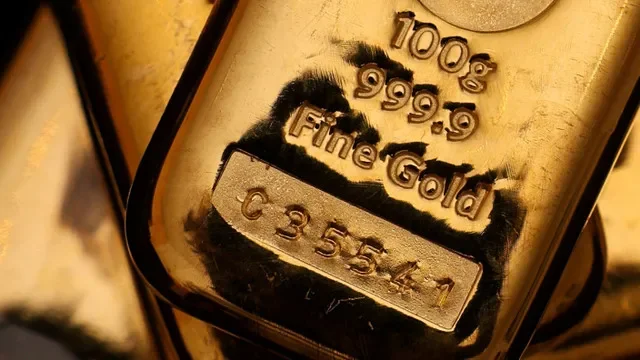
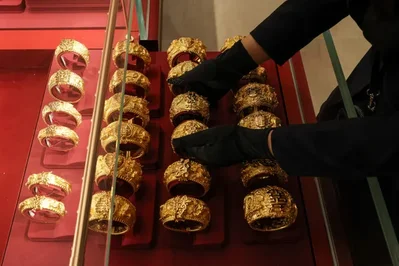
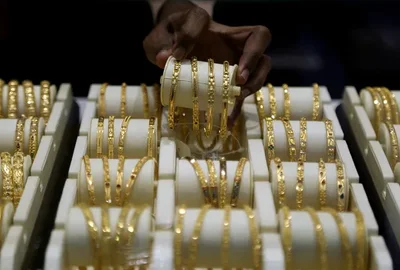
In physical trading, India saw bullion trade at a premium for the first time in two months as lower price levels stimulated local demand. In contrast, premiums in China declined slightly as investors remained cautious and awaited a deeper market correction.
Performance across other precious metals was also negative during the session. Silver fell 1% to $72.28 per ounce, and Platinum shed 0.5% to $1,979.42. Meanwhile, Palladium managed a slight gain, edging up 0.1% to $1,504.34.