GM and Toyota US sales decline as borrowing costs rise
GM and Toyota reported lower first-quarter US sales as high interest rates and fuel prices impacted demand. Hyundai and Honda saw gains behind strong SUV sales.

Major automotive players GENERAL MOTORS CO and TOYOTA MOTOR CORP recorded a downturn in their first-quarter sales within the United States. This trend highlights growing consumer hesitation fueled by economic volatility, elevated interest rates, and high vehicle price tags. Industry analysts at Cox Automotive anticipate a 6.5% decline in total first-quarter sales across the country, with annual sales projected to slip by 2.6%. Charlie Chesbrough, a senior economist at the firm, noted the impact of shifting financial incentives.
"The loss of EV tax credits, coupled with ongoing elevated interest rates and vehicle prices will lead to a slower pace."
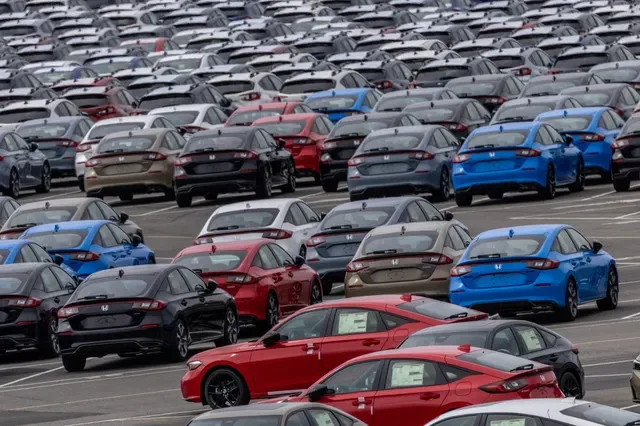
GENERAL MOTORS CO reported a nearly 10% decrease in sales, totaling 626,429 units. The company attributed this decline to severe winter weather early in the year and a high baseline from a strong performance in the previous year. Despite the dip, the automaker maintained its lead in the domestic market. TOYOTA MOTOR CORP, based in Japan, followed closely with a slight sales decrease to 569,420 units, supported by robust demand for its crossover models.
Other manufacturers saw varied outcomes. MAZDA MOTOR CORP saw its quarterly sales tumble by approximately 14%. Conversely, HYUNDAI MOTOR CO and HONDA MOTOR CO LTD bucked the downward trend, reporting growth driven by their lineups of trucks, SUVs, and hybrid vehicles.
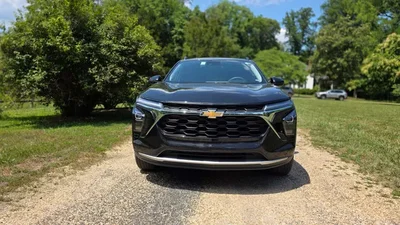
The market is also facing pressure from rising energy costs. Geopolitical tensions involving Israel and Iran have contributed to a surge in Brent Crude Oil prices, pushing national gasoline averages toward $4 per gallon. While Scott Bell, global vice president at Chevrolet, expressed optimism for the remainder of the year, analysts warn that sustained high fuel costs could dampen overall consumer spending.
The electric vehicle sector is navigating its own challenges. Following a surge in demand prior to federal incentive reductions last year, first-quarter EV sales are expected to drop by 28%. However, Erin Keating of Cox Automotive observed that consumer interest in pure electric models has reached a multi-year high.
"Weve had peaks before, so while this trend is encouraging, were not in uncharted territory."
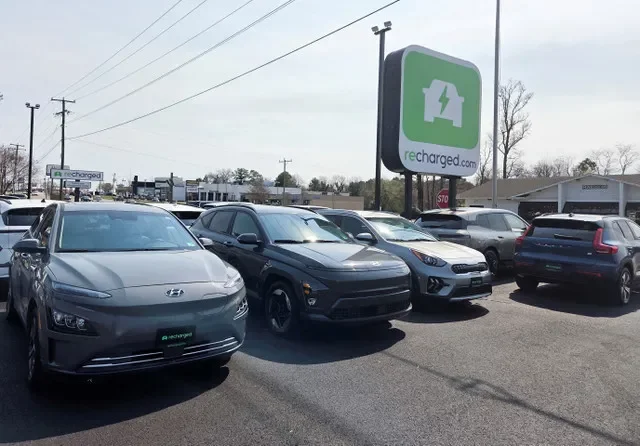
Increasing inventory levels are shifting the market dynamic toward buyers. Jason Hoff, CEO of MERCEDES-BENZ GROUP AG North America, noted that higher stock levels are fostering a more aggressive sales environment.
"When you have more vehicles than you have customers, it is going to be very competitive."
Jim Walen, who operates dealerships for Stellantis and Hyundai in Seattle, expects sales to remain flat throughout the year as consumer sentiment softens. This environment may force manufacturers to offer more significant discounts to maintain volume.