German Economy Stuck in Slow Lane as Institutes Slash Growth Forecasts Amid Structural Challenges
Major institutes downgrade Germany's outlook, citing tariffs and infrastructure delays.
Germany DE's economy has stabilized but remains mired in a phase of meager growth, with three leading economic institutes issuing stark downgrades to their forecasts for 2025-2027. The revisions underscore deepening concerns that Europe's largest economy is failing to adapt quickly enough to structural shifts, hampered by regulatory burdens, aging infrastructure, and external headwinds from U.S. tariffs.
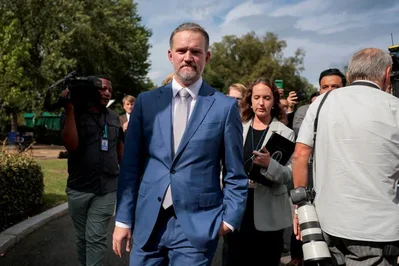
DE's economy has stabilized but remains mired in a phase of meager growth, with three leading economic institutes issuing stark downgrades to their forecasts for 2025-2027. The revisions underscore deepening concerns that Europe's largest economy is failing to adapt quickly enough to structural shifts, hampered by regulatory burdens, aging infrastructure, and external headwinds from U.S. tariffs.The Ifo Institute slashed its growth forecast dramatically, now expecting just 0.1% expansion for 2025, down from 0.2% previously. For 2026, Ifo projects 0.8% growth, and 1.1% in 2027—both figures cut by a substantial 0.5 percentage points from earlier estimates. "The German economy is adapting only slowly and at great expense to the structural shift through innovation and new business models," said Timo Wollmershaeusertimo wollmershaeuser, head of forecasts at Ifo. He emphasized that companies, particularly start-ups, face significant obstacles from red tape and outdated infrastructure.