FSB Warns G20 of Risks From Tightening Funding Conditions
Andrew Bailey warned G20 leaders that tight funding could trigger multiple financial risks. He noted that banks remain resilient despite the Iran war impact.

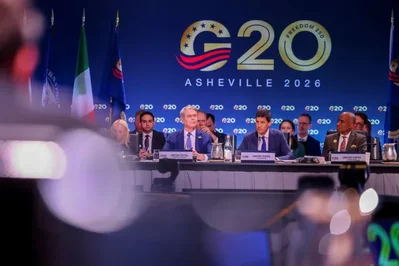
The global financial system has shown resilience despite the economic shocks stemming from the conflict in Iran, according to the chair of the Financial Stability Board (FSB). Andrew Bailey, who is also the Governor of the Bank of England, warned that while post-2008 reforms have strengthened the system, rising funding costs could still trigger significant instability.
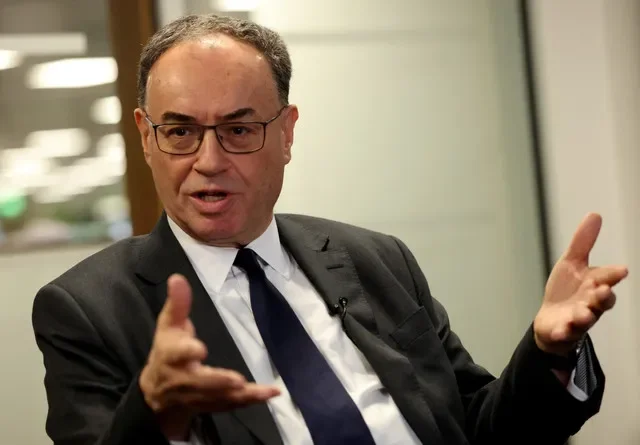
In a letter addressed to G20 Finance Ministers and Central Bank Governors ahead of the International Monetary Fund meetings in Washington, Bailey detailed the risk of a \"triple whammy\" where multiple vulnerabilities crystallize simultaneously. These risks include stretched asset valuations, high levels of non-bank leverage, and growing stress in private credit markets.
Bailey warned of a potential “double or triple whammy” if tighter funding conditions cause multiple vulnerabilities to crystalize at the same time - including stretched asset valuations, non-bank leverage, and private credit stress.
The FSB chair noted that a primary trigger for financial turmoil could be a shift in market pricing to reflect a much larger impact on global economic growth. Such a scenario might lead to an abrupt re-pricing of equity markets, occurring alongside the increased scrutiny currently directed at private asset valuations.
Despite these uncertainties, Bailey emphasized that the banking sector remains resilient due to the strength of reforms enacted after the global financial crisis. He underscored the critical importance of fully implementing the Basel III capital rules to ensure continued stability in the face of evolving economic pressures.