Williams says Fed policy is well positioned for risks
Williams says current Fed policy can manage inflation risks from the Middle East war. He expects growth near 2.5 percent despite ongoing energy price shocks.

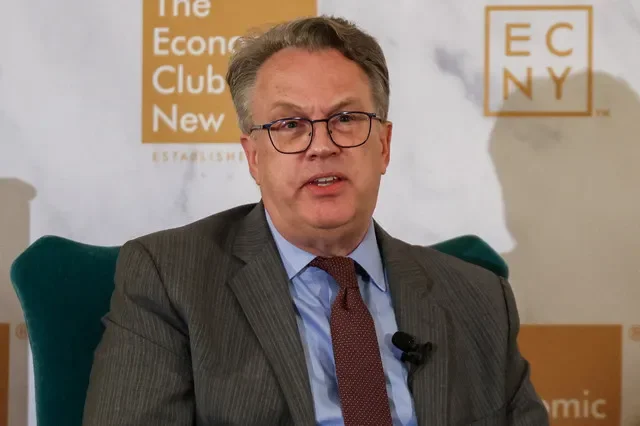
Federal Reserve Bank of New York President John Williams stated on Monday that the current stance of monetary policy is effectively positioned to navigate a variety of economic challenges, including anticipated increases in near-term inflation. Speaking at an event for the Staten Island Economic Development Corporation, Williams described the current global environment as an unusual set of circumstances but maintained confidence in the central bank's strategy to balance employment and price stability goals.
"But the current stance of monetary policy is well positioned to balance the risks to our maximum employment and price stability goals."
The economic landscape has been significantly impacted by the ongoing conflict in the Middle East, which began following joint military actions by the United States and Israel against Iran. Williams noted that this geopolitical instability could trigger a substantial supply shock, characterized by rising intermediate costs and commodity prices, which simultaneously elevates inflation and hinders economic growth. Signs of these disruptions are already beginning to emerge, particularly within global supply chains.
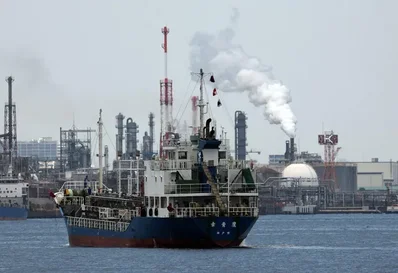
A primary concern for the Federal Reserve is the surge in energy prices, particularly as Iran has obstructed shipping through the Strait of Hormuz. While the central bank typically looks through temporary energy price spikes, there is a risk that these costs could influence underlying price pressures and long-term inflation expectations. Furthermore, higher energy expenditures may constrain consumer budgets, potentially slowing overall economic activity, which has complicated the ability of officials to provide clear signals about future policy.
Federal Reserve Chair Jerome Powell echoed a sentiment of caution earlier on Monday, suggesting that the central bank is in a position to monitor how regional developments unfold before making further adjustments. Powell highlighted the complexity of the current situation, noting the balance between downside risks to the labor market and upside risks to inflation.
"Theres sort of downside risk to the labor market, which suggests keep rates low, but theres upside risk to inflation, which suggests maybe dont keep rates low."
Currently, the Federal Reserve maintains its federal funds interest rate target between 3.5% and 3.75%. While financial markets are speculating on potential rate cuts later this year, the Federal Open Market Committee's most recent projections suggested only a single cut might occur in 2026. Williams provided a relatively optimistic outlook, forecasting economic growth of approximately 2.5% this year and expecting inflation to reach 2.75% before returning to the 2% target next year. This perspective contrasts with many of his colleagues, who anticipate the unemployment rate will remain at 4.4% through the end of the year and see a longer path toward reaching the inflation target.