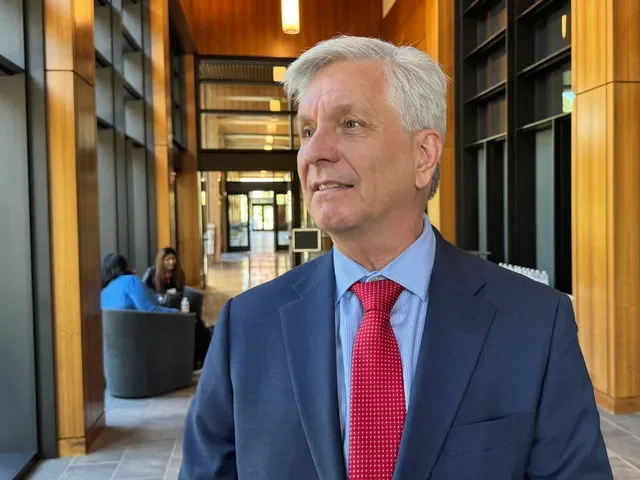
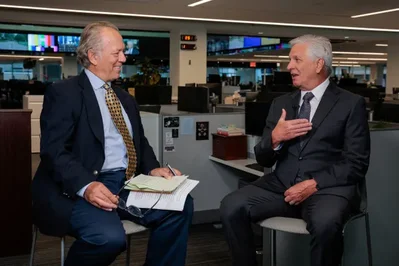
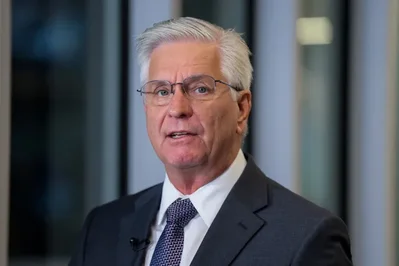
Waller noted that the impact on the public would be most visible at refueling stations across the country.
"Youre going to see a spike in gasoline prices."
He added that if the price increase is unwound within a few weeks or even two months, it will not be a significant factor for the long-term economic trajectory. The market has seen Brent Crude Oil jump to nearly $90 a barrel, up from $72 prior to the start of the air assault. Domestically, gas prices have climbed roughly 10%, rising from just under $3 a gallon to $3.32.
Historically, energy costs have heavily influenced consumer sentiment, but Waller emphasized that the Federal Reserve views this as a temporary disruption rather than a repeat of the 1970s oil shocks.
"This is...more like a one-off event."
The central bank typically focuses on core inflation, which excludes volatile items like food and energy, to meet its 2% annual target. However, the lack of a clear timeline for the conflict and the near-total halt of shipping through the Strait of Hormuz have led to market skepticism regarding potential interest rate cuts. Waller warned that the outlook could change if the price shock shows signs of permanence.
"Then itll start bleeding through to other parts of the economy."