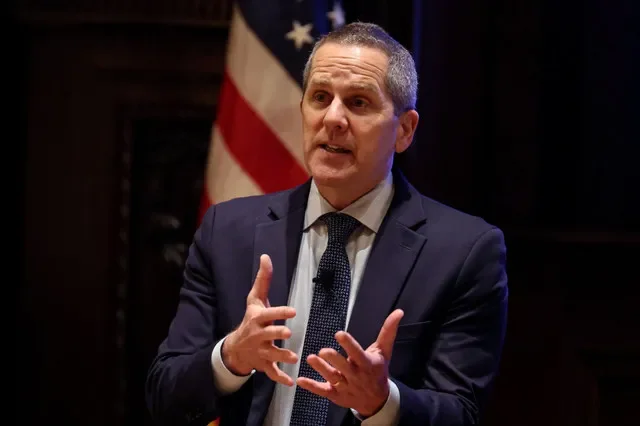
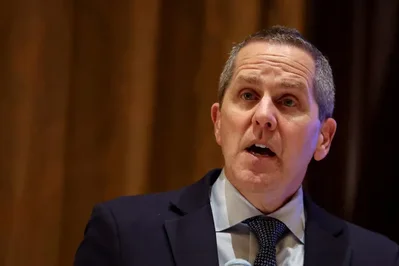
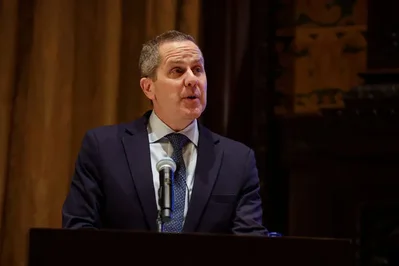
The Federal Reserve continues to navigate an environment where inflation sits notably above its 2% target. The Personal Consumption Expenditures price index, which serves as the central bank's preferred metric, is currently approximately one percentage point higher than the desired goal. Barr expressed hope that inflationary pressures would subside throughout the year, but he warned that rising energy costs could jeopardize this trajectory.
I would like to see evidence that goods and services price inflation is sustainably retreating before considering reducing the policy rate further, provided labor market conditions remain stable.
Industrial entities and commodity-linked firms, such as Oil-Dri Corporation of America, are closely watching these developments as higher oil prices begin to impact gasoline and other consumer costs. The ongoing conflict in the Middle East adds another layer of complexity to the economic outlook, potentially driving up expenses across various sectors.
During its most recent meeting, the Federal Reserve opted to keep the policy rate within the 3.5% to 3.75% range. Although policymakers previously suggested at least one rate cut might occur this year, that projection is increasingly under scrutiny.
By contrast we continue to contend with inflation notably above ... the 2% goal.
Investor sentiment has shifted in response to these persistent price pressures. While earlier expectations leaned toward a reduction in borrowing costs, many market participants now anticipate the Fed will remain on hold, with some even considering the possibility of a rate hike before the end of the year if inflation does not cool as expected.